
The moment I first tasted Peking Duck at a bustling restaurant, it felt like a revelation on my palate—crispy skin, tender meat, and that delightful sweet bean sauce! While the authentic version seemed daunting to make at home, I was determined to recreate this classic dish without the fuss. After some experimentation, I discovered an easy home version that captures the essence of traditional Peking Duck while being approachable for any home cook.
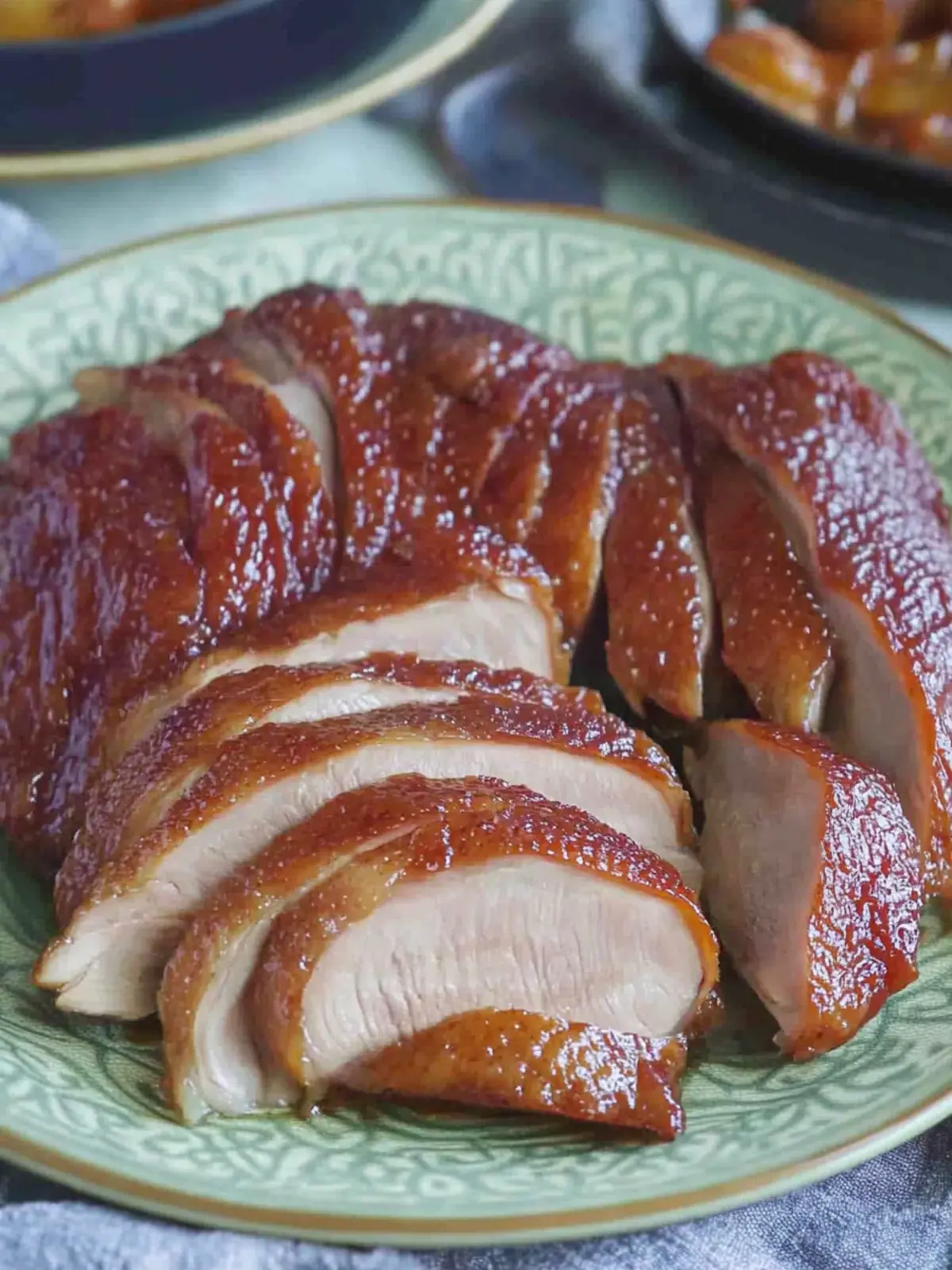
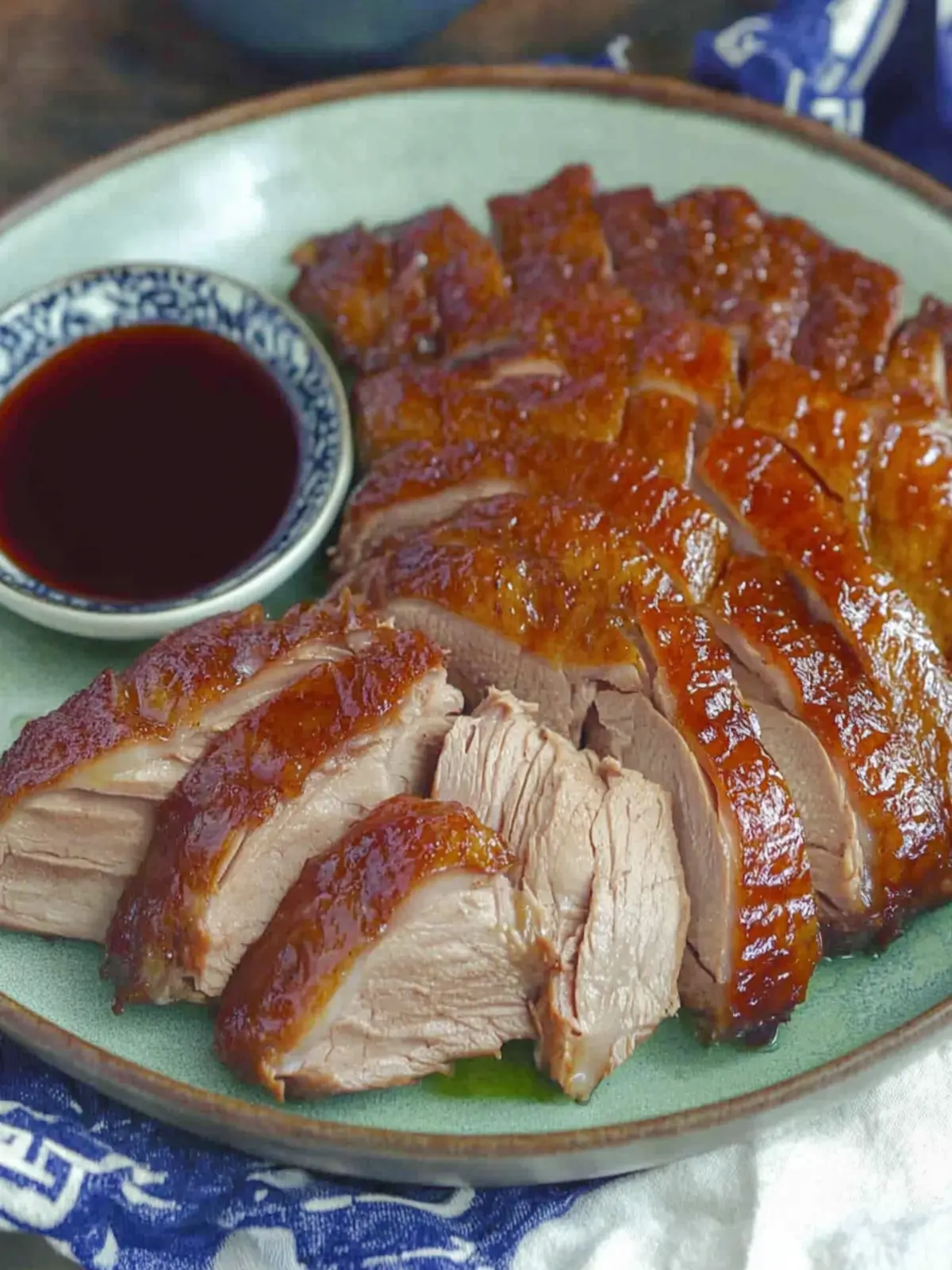
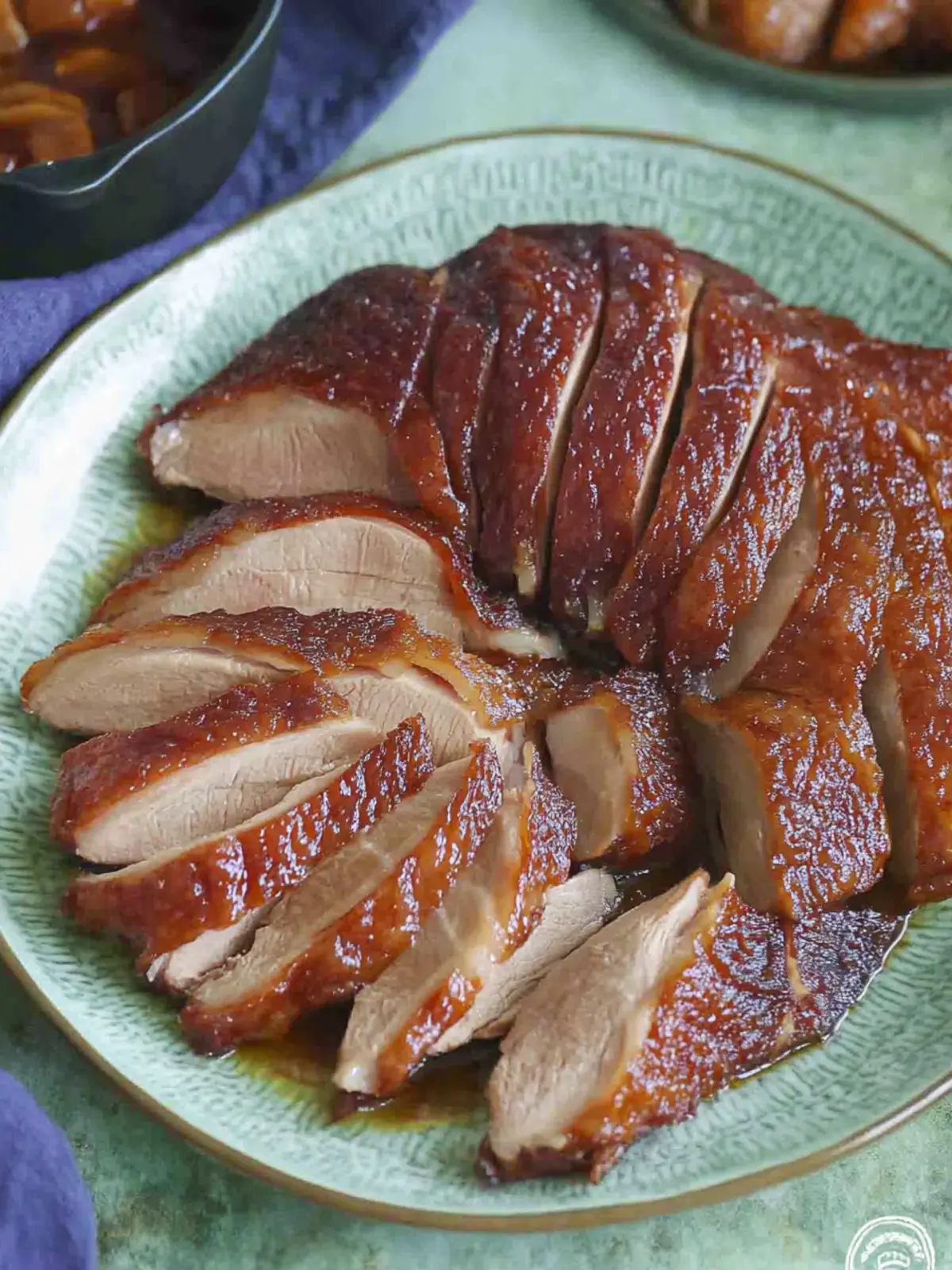
This recipe combines simplicity with rich flavor, turning your kitchen into the ultimate dining experience. Picture it now: a perfectly roasted duck, glistening and fragrant, ready to be wrapped in homemade pancakes alongside fresh scallions and crisp cucumber. Whether you’re hosting a gathering or enjoying a special family meal, this Peking Duck recipe is bound to impress and satisfy—proving that gourmet meals don’t have to come from a restaurant. Let’s dive into making this deliciously rewarding dish!

Why is Peking Duck so special?
Irresistible Flavor: This recipe brings the iconic taste of Peking Duck right to your home. Imagine the crisp skin paired with tender, succulent meat—every bite is a culinary delight!
Simplified Cooking: You don’t need to be a professional chef. With straightforward steps, even novice cooks can wow their family and friends.
Impressive Presentation: Serve a stunning dish that looks and tastes gourmet, making it perfect for gatherings or special occasions.
Versatile Enjoyment: Wrap the duck in pancakes for a fun, interactive dining experience everyone will love.
Make Ahead: Plan ahead and refrigerate for 24-48 hours, allowing you to relax and enjoy the moment with your guests.
Dive into this delicious adventure and elevate your cooking game with your very own Peking Duck!
Peking Duck Ingredients
• Elevate your home cooking with authentic flavor!
For the Duck
- Duck – about 2.5kg/5.5lb, the star of your meal, granting that signature taste and texture.
- Fine salt – 2 tablespoons, used to enhance flavor and aid in skin crispiness during roasting.
For the Marinade
- Maltose – 2 tablespoons, this sweetener helps achieve that beautifully glazed skin.
- Hot water – 120 ml, to dissolve the maltose and vinegar mixture properly.
- Vinegar – 1 teaspoon, helps in tenderizing the skin and adds a touch of acidity.
For the Stuffing
- Scallions – 2 stalks, offering aromatic depth and a burst of flavor.
- Garlic – 1 head, infusing the duck with rich flavor during roasting.
- Apples – 2, quartered, providing a subtle sweetness that complements the savory duck.
- Star anise – 4, adding a warm, aromatic spice to the stuffing.
- Bay leaves – 4, enhancing the overall depth of flavor.
- Cassia cinnamon – 2 pieces, imparting a hint of warmth and sweetness.
For Serving
- Sweet bean sauce – 3 tablespoons, a must for that classic Peking Duck taste.
- Sugar – 1 teaspoon, to balance the flavors in the sauce perfectly.
- Peking duck pancakes – homemade or shop-bought, the essential wrap for enjoying your duck.
- Scallions, julienned – for fresh crunch and vibrant garnishing.
- Cucumber – peeled, seeds removed, and cut into sticks, adding a crisp, refreshing bite.
This Peking Duck recipe is set to transform your culinary skills and bring a delightful dish to your table!
How to Make Peking Duck
-
Prepare the Duck: Pat dry the duck with kitchen paper, then rub 2 tablespoons of fine salt over the skin and the cavity. Set the duck on a wire rack above a tray to catch drips, allowing it to rest for 1 hour.
-
Boil Water: Bring 1½ liters of water to a boil, then gently pour it over the entire duck skin. Flip to cover the other side. Use a deep tray or sink to catch the water and remove any feather ends with tweezers if necessary.
-
Make Marinade: In a bowl, mix 2 tablespoons of maltose with 120 ml of hot water and 1 teaspoon of vinegar until fully dissolved. Brush the mixture over the duck skin, then let it rest in the fridge for 1 hour before brushing on a second layer.
-
Refrigerate: Place the duck uncovered over the rack in the tray inside the refrigerator for 24 to 48 hours. This drying stage ensures a crispy skin.
-
Stuff the Duck: One hour before roasting, remove the duck from the fridge to bring it to room temperature. Stuff the cavity with 2 stalks of scallions, 1 head of garlic, 2 quartered apples, 4 star anise, 2 pieces of cassia cinnamon, and 4 bay leaves. Seal openings with toothpicks or skewers.
-
Preheat Oven: Preheat a fan-assisted oven to 200°C/390°F (or 220°C/425°F for a conventional oven). Place the duck on the middle rack, breast side up, with a roasting tray at the bottom to collect fat. Roast for 15 minutes.
-
Lower Temperature: Reduce the oven temperature to 180°C/350°F (or 200°C/390°F for a conventional oven). Cover the tips of the wings and the ends of the legs with aluminum foil. Continue cooking for about 60 minutes.
-
Check Doneness: Insert an instant-read thermometer into the thickest part of the duck; the internal temperature should be at least 74°C/165°F.
-
Rest Duck: Once cooked, remove the duck from the oven and let it rest on the counter for 15 minutes to allow the juices to redistribute.
-
Prepare Sauce: Add ½ tablespoon of duck fat from roasting to a pan. Mix in 3 tablespoons of sweet bean sauce and 1 teaspoon of sugar. Simmer over low heat until tiny bubbles form, then whisk until well combined.
-
Steam Pancakes: If your pancakes are cold, steam them for 3 minutes to warm them up. Slice the duck into pieces for serving.
-
Serve: Spread a little sauce over a warm pancake, add pieces of duck, julienned scallions, and cucumber sticks in the center. Roll it up and enjoy your homemade Peking Duck!
Optional: Serve with extra sweet bean sauce for dipping.
Exact quantities are listed in the recipe card below.
Peking Duck Variations
Feel free to get creative with your Peking Duck, making it uniquely yours with these delightful twists!
- Low-Salt: Use reduced-sodium salt to control sodium intake while still achieving flavor.
- Honey Glaze: Substitute maltose with honey for a different sweet profile and a beautiful glaze.
- Spicy Kick: Add chopped fresh chili or chili flakes to the stuffing for a fiery flavor boost.
- Herb Stuffing: Incorporate fresh herbs like thyme or rosemary for an aromatic herbal twist.
- Citrus Zing: Stuff with orange or lemon slices along with traditional ingredients for a refreshing brightness.
- Vegetarian Option: Swap the duck for a stuffed eggplant or mushroom for a plant-based delight, keeping the same seasonings.
- Fruit Compote: Serve with a side of sweet and tangy fruit compote, like cranberry, for a festive touch.
- Different Wraps: Instead of pancakes, try using lettuce leaves or rice paper for a gluten-free alternative that refreshes the dining experience.
Explore these creative variations and discover endless possibilities to spice up your Peking Duck experience!
Make Ahead Options
These Peking Duck preparations are perfect for anyone looking to save time on busy weeknights! You can rub the salt over the duck and let it rest covered for up to 1 hour before refrigerating. Additionally, the duck can be marinated and left uncovered in the fridge for 24 to 48 hours to dry out the skin, ensuring that it crisps beautifully during roasting. When you’re ready to serve, stuff the duck with the aromatics and bring it to room temperature for 1 hour before cooking. This way, you can relax while the dish roasts, impressing your family with this restaurant-quality meal, just as delicious without the hassle!
Helpful Tricks for Peking Duck
Dry the Skin: Ensure the duck skin is completely dry before seasoning. This crucial step helps achieve that desired crispy texture during roasting.
Even Browning: Rotate the duck halfway through roasting to ensure even browning and crisping of the skin. Don’t skip this for a beautifully colored result!
Check Temperature: Use an instant-read thermometer to check for doneness. The internal temperature should reach 74°C/165°F to guarantee the duck is fully cooked and safe to eat.
Make Ahead: For the best flavors, marinate and dry the duck for 24 to 48 hours. This step is essential for developing that iconic taste of Peking Duck.
Sauce Consistency: Aim for a thick sauce by simmering the sweet bean sauce and sugar mixture until tiny bubbles form. This enhances the flavor and makes it perfect for dipping!
How to Store and Freeze Peking Duck
Fridge: Keep leftover Peking Duck in an airtight container in the fridge for up to 3 days. This helps maintain the texture and flavor for a delightful meal later.
Freezer: For longer storage, wrap portions of Peking Duck tightly in plastic wrap and aluminum foil before placing them in the freezer. They can be stored for up to 3 months.
Reheating: When ready to enjoy leftovers, thaw in the fridge overnight. Reheat in a preheated oven at 180°C/350°F until heated through, ensuring skin remains crispy.
Sauce Storage: Store any leftover sweet bean sauce in a sealed container in the fridge for up to a week, or freeze for up to 3 months for easy access to flavors reminiscent of your Peking Duck feast.
What to Serve with Peking Duck?
Create an unforgettable dining experience with these delightful accompaniments that harmonize beautifully with your Peking Duck.
-
Crispy Spring Rolls: These are a crowd-pleaser, adding crunchy texture and a burst of flavor to each bite. Their savory filling contrasts wonderfully with the rich duck.
-
Stir-Fried Bok Choy: Lightly sautéed with garlic and sesame oil, this vibrant green side brings a refreshing crunch that balances the richness of the duck.
-
Fragrant Jasmine Rice: Soft and fluffy, jasmine rice provides a lovely backdrop to soak up the delicious sauce while offering a subtle floral aroma.
-
Zesty Pickled Vegetables: The tangy crunch of pickled carrots and daikon cuts through the duck’s richness, providing a delightful contrast that brightens up each bite.
-
Warm Sesame Noodles: These nutty noodles, dressed in a soy sauce and sesame oil mixture, add a satisfying chewiness, complementing the flavors of Peking Duck beautifully.
-
Chilled Cucumber Salad: A refreshing dish tossed with a light rice vinegar dressing, it brings crispness and a cool contrast, enhancing the dining experience.
-
Plum Wine: This sweet, fruity beverage pairs perfectly with the crispy duck, amplifying the meal’s flavors while offering a delightful sip to enjoy between bites.
-
Mango Sticky Rice: For dessert, this Thai-inspired treat adds a sweet, creamy layer to your meal, offering a luscious ending that rounds out your culinary adventure.
Peking Duck Recipe FAQs
How do I select the perfect duck for Peking Duck?
Absolutely! Look for a duck that weighs around 2.5kg/5.5lb—this size yields the ideal balance of meat and skin for crispy perfection. The skin should be smooth and taut without dark spots or blemishes. I always check for freshness by smelling; it should have a clean scent without any off-putting odor.
How should I store leftover Peking Duck?
After enjoying your delicious meal, store leftover Peking Duck in an airtight container in the fridge for up to 3 days. To keep it at its best, ensure it’s cooled completely before sealing. This helps maintain that glorious crispy skin for your next serving!
Can I freeze Peking Duck?
Yes, indeed! To freeze Peking Duck, wrap individual portions tightly in plastic wrap, followed by aluminum foil to prevent freezer burn. Store in the freezer for up to 3 months. When you’re ready to enjoy it, thaw in the fridge overnight and reheat in a preheated oven at 180°C/350°F to regain its crispiness.
What should I do if the duck skin isn’t crispy after roasting?
Very frequently, the key to achieving that crispy skin lies in properly drying the duck before roasting. If you find your duck skin isn’t as crispy as you hoped, try increasing the oven temperature slightly in the last 15 minutes of roasting and ensure the skin is well-dried before seasoning. Patience pays off here—a few extra minutes can make all the difference!
Can I use alternative ingredients if I have dietary restrictions?
Definitely! If you have allergies or dietary preferences, you can substitute the sweet bean sauce with hoisin sauce or a homemade sauce using soy sauce and a bit of sugar. For gluten-free options, check labels carefully or make your sauce from scratch. Always ensure that any replacements still lend that delicious balance to the dish!
How do I know if my Peking Duck is fully cooked?
To check for doneness, insert an instant-read thermometer into the thickest part of the duck; you want it to reach at least 74°C/165°F. This step ensures that your duck is not only safe to eat but also beautifully done, juicy, and flavorful. Remember, a rested duck is a happy duck—let it rest for 15 minutes after roasting!
These Peking Duck Recipe FAQs will help you navigate your culinary adventure with confidence!
Master Peking Duck: An Easy Home Version You’ll Love
Ingredients
Equipment
Method
- Pat dry the duck with kitchen paper, then rub 2 tablespoons of fine salt over the skin and cavity. Set the duck on a wire rack above a tray to catch drips, allowing it to rest for 1 hour.
- Bring 1½ liters of water to a boil, then gently pour it over the entire duck skin. Flip to cover the other side. Use a deep tray or sink to catch the water and remove any feather ends with tweezers if necessary.
- In a bowl, mix 2 tablespoons of maltose with 120 ml of hot water and 1 teaspoon of vinegar until fully dissolved. Brush the mixture over the duck skin, then let it rest in the fridge for 1 hour before brushing on a second layer.
- Place the duck uncovered over the rack in the tray inside the refrigerator for 24 to 48 hours.
- One hour before roasting, remove the duck from the fridge to bring it to room temperature. Stuff the cavity with scallions, garlic, apples, star anise, cinnamon, and bay leaves. Seal openings with toothpicks.
- Preheat a fan-assisted oven to 200°C/390°F. Place the duck on the middle rack, breast side up, with a roasting tray at the bottom to collect fat. Roast for 15 minutes.
- Reduce the oven temperature to 180°C/350°F. Cover the tips of the wings and the ends of the legs with aluminum foil. Continue cooking for about 60 minutes.
- Insert an instant-read thermometer into the thickest part of the duck; the internal temperature should be at least 74°C/165°F.
- Once cooked, remove the duck from the oven and let it rest on the counter for 15 minutes.
- Add ½ tablespoon of duck fat from roasting to a pan. Mix in sweet bean sauce and sugar. Simmer over low heat until tiny bubbles form, then whisk until well combined.
- If your pancakes are cold, steam them for 3 minutes to warm them up. Slice the duck into pieces for serving.
- Spread a little sauce over a warm pancake, add pieces of duck, julienned scallions, and cucumber sticks in the center. Roll it up and enjoy your homemade Peking Duck!