
There’s nothing quite like the magic that unfolds when you braise pork in a symphony of flavors. I stumbled upon this delightful Miso Gochujang Braised Pork Roast recipe on a chilly weekend, craving something warm and comforting to fill my kitchen with tantalizing aromas. The moment you sear that perfectly marbled pork, the rich scent of garlic and the earthy notes of miso and gochujang fill the air, beckoning everyone to the table.
What truly sets this dish apart is the playful contrast of the tender, succulent pork and the fresh scallion salad sprinkled on top. Each bite is a harmonious blend of savory, spicy, and a touch of sweetness, making it the perfect centerpiece for any gathering—or even a cozy night in.
I can assure you, impressing your guests has never been easier. With the simplicity of just a few ingredients, this recipe is ideal for those tired of takeout and yearning for that homemade warmth. So roll up your sleeves, and let’s craft this unforgettable dish together!
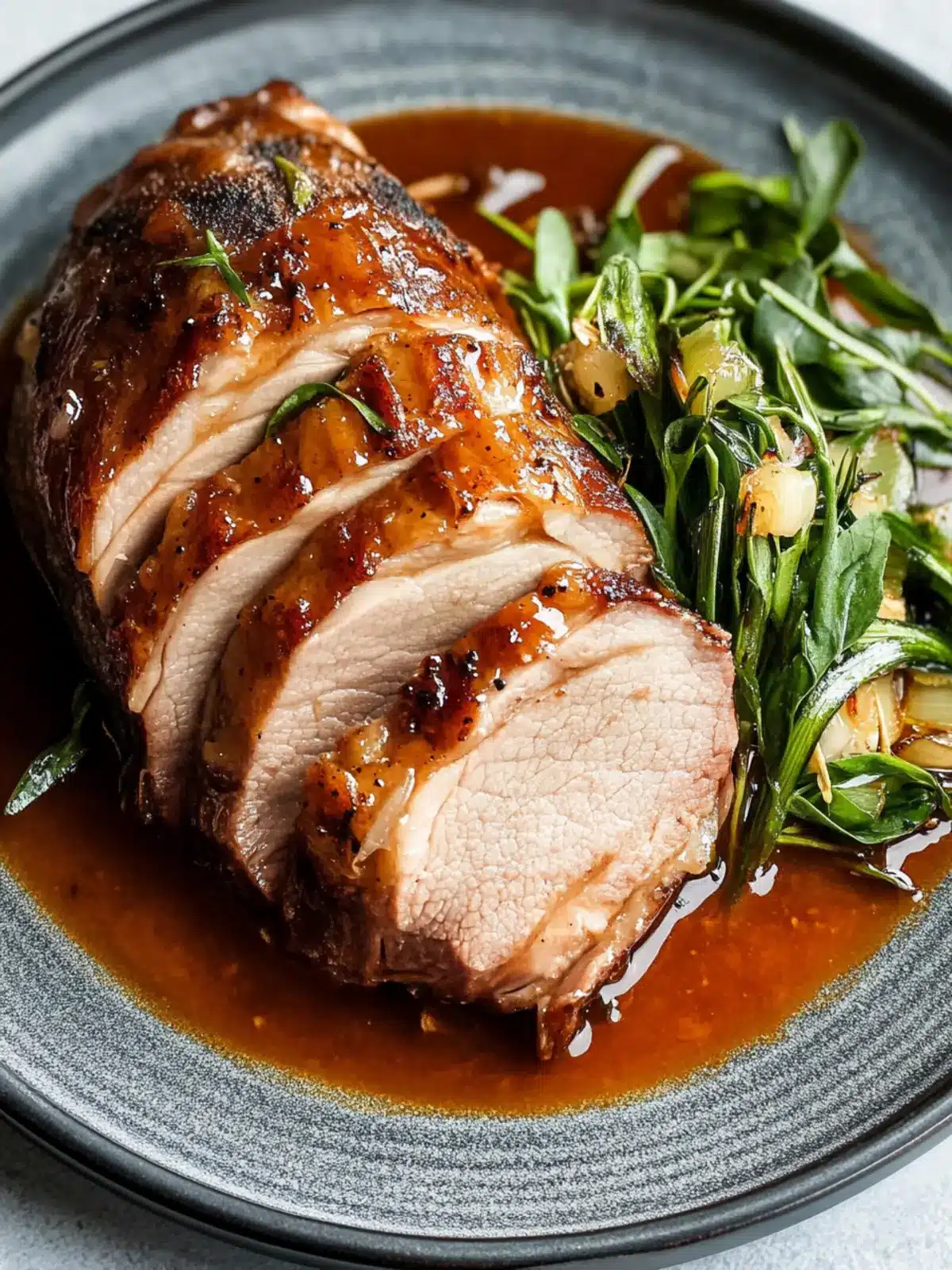
Why Love Miso Gochujang Braised Pork Roast?
Unforgettable Flavor: The Miso Gochujang Braised Pork Roast bursts with a rich, umami-packed flavor profile that will have everyone asking for seconds.
Easy Prep: With straightforward steps and minimal fuss, even beginner cooks can recreate this dish, making it perfect for anyone navigating the kitchen.
Versatile Pairing: Serve it with the refreshing scallion salad, or pair it with your favorite sides for a customizable meal that caters to diverse tastes.
Crowd-Pleasing Appeal: This dish is a guaranteed showstopper at any gathering, blending comfort food with gourmet flair that satisfies both heart and palate.
Time-Saving Deliciousness: The hands-off braising method allows you to prep other tasks while the aroma fills your home. For more delightful dishes like this, check out our quick weeknight meals.
Miso Gochujang Braised Pork Roast Ingredients
For the Roast
• 4 lb boneless pork butt or pork shoulder – This cut ensures a tender and juicy texture when braised long and slow.
• 3 small leeks, cut into 1″ pieces – Adds a subtle sweetness and depth to your braising liquid.
• 3 cloves garlic, peeled and smashed – Enhances the overall aromatic experience with layers of flavor.
• 2 tbsp white miso paste – Provides a rich umami flavor that deeply infuses the pork.
• 1 tbsp gochujang – This spicy Korean chili paste adds heat and complexity to the dish.
• 300 ml Japanese sake – Deglazes the pot and adds a hint of sweetness and acidity.
• 1 tbsp honey – Balances the savory notes with a touch of natural sweetness.
• 2 tsp soy sauce – Introduces additional depth and saltiness.
• 2 C no or low sodium chicken broth – Keeps the dish moist and flavorful without going overboard on salt.
• Water as needed to top up braising liquid – Ensures the pork stays submerged while cooking.
• Black pepper to taste – Adds an extra dimension of warmth and spice.
• Oil for cooking – Necessary for searing the pork, helping achieve a golden-brown crust.
For the Scallion Salad
• 2 bunches scallions – Provides a fresh crunch that contrasts beautifully with the tender pork.
• 3 tbsp rice vinegar – Brightens up the salad with a zingy flavor.
• 1½ tbsp soy sauce – Complements the scallions with a savory note.
• 1 tbsp honey or sugar – Adds a hint of sweetness to balance the acidity.
• 1 tbsp toasted sesame oil – Introduces a nutty aroma and flavor that elevates the salad.
• Pinch of gochugaru or dried red pepper flakes to taste – Adds an optional spice kick to the refreshing salad.
Dive into making this Miso Gochujang Braised Pork Roast, and transform your meal into a heartwarming experience!
How to Make Miso Gochujang Braised Pork Roast
-
Preheat the oven to 325°F (160°C). Generously season the pork with salt to enhance its flavor while it cooks, encouraging that rich, seasoned crust we all love.
-
Heat a large, heavy-bottom Dutch oven over medium-high heat. Add a splash of oil and bronze the pork on all sides for about 8 minutes, allowing the fat to render and develop a beautiful golden caramelization.
-
Add the leeks and smashed garlic to the pot, sprinkling with black pepper. Sauté for about 2 minutes until the leeks are softened and fragrant, adding dimension to your braising liquid.
-
Stir in the miso paste and gochujang, cooking for 1 minute. Then, deglaze with sake, letting it simmer for about 5 minutes to meld those flavors together in a delightful way.
-
Mix in honey and soy sauce, then return that glorious pork roast to the pot. Add the chicken broth and top with water, ensuring the liquid comes halfway to three-quarters up the sides of the roast. Let it come to a gentle simmer and cover.
-
Braise in the oven until the meat thermometer reads 160°F (70°C) to 175°F (80°C), about 2 hours. Alternatively, you can braise on a low simmer on the stove for the same duration, filling your home with fragrant, warm aromas.
-
Transfer the pork to a cutting board, tenting it with foil for 15 to 20 minutes to rest. This makes sure your roast retains all of its succulent juices.
-
Blend the sauce with an immersion blender until smooth, adjusting the seasoning as needed to fit your taste preferences—this will elevate the entire dish!
-
Prepare the scallion salad by shredding scallions and soaking them in ice water for 15 minutes. This process helps crisp and refresh their texture, making them a delightful topping.
-
Mix rice vinegar, soy sauce, honey or sugar, sesame oil, and gochugaru in a bowl. Add the shredded scallions and toss everything together to coat those beautiful greens before serving.
-
Slice the pork roast into ½” to ¾” thick pieces. Serve it generously drizzled with the sauce and topped with the bright scallion salad for a burst of flavor.
Optional: Garnish with sesame seeds for an added crunch.
Exact quantities are listed in the recipe card below.
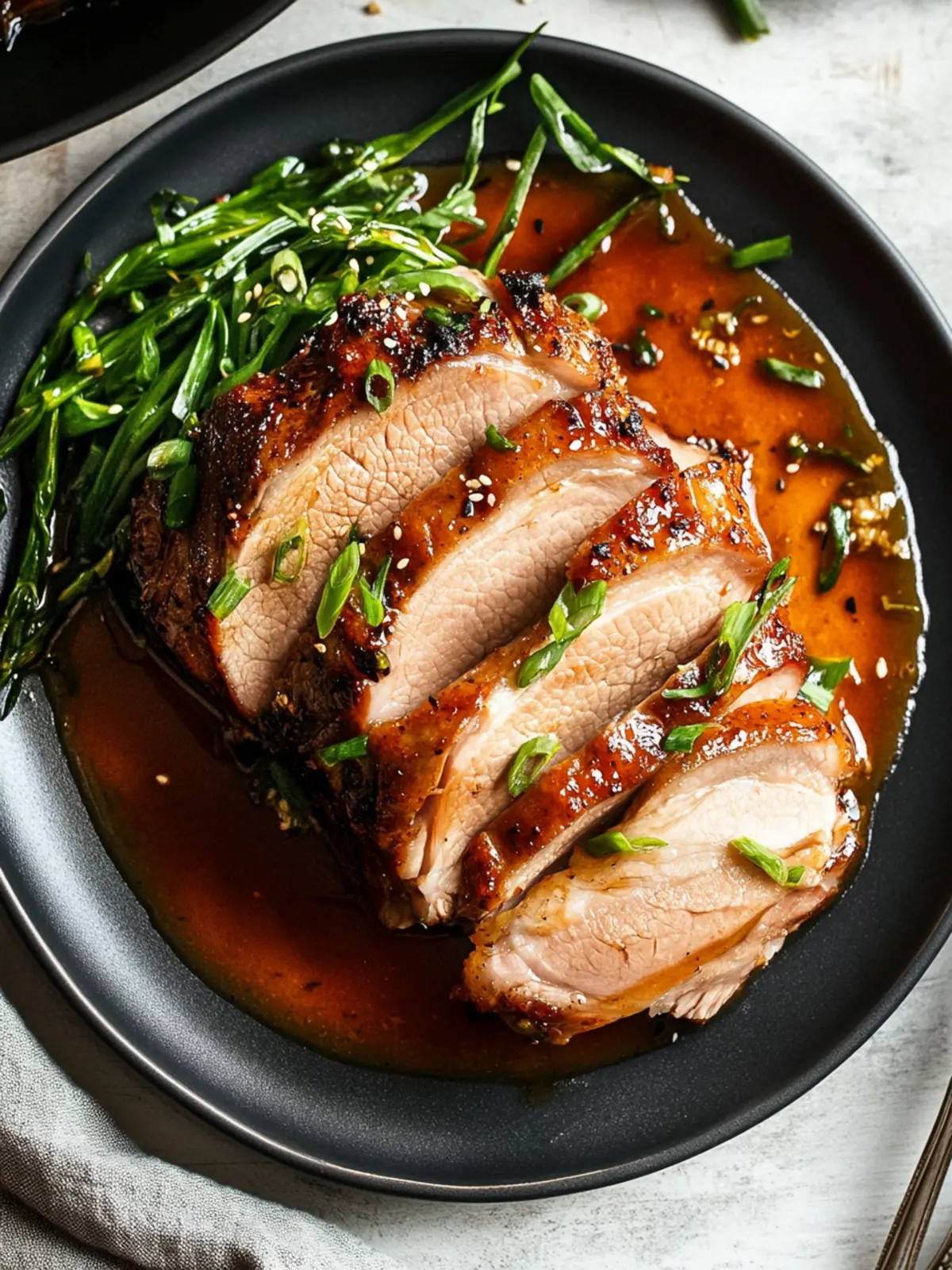
Expert Tips for Miso Gochujang Braised Pork Roast
-
Select Quality Meat: Choose a well-marbled pork butt or shoulder for optimal tenderness and flavor after slow braising; lower-quality cuts can dry out.
-
Don’t Rush the Searing: Take your time searing the pork until golden brown. This step develops a rich crust that adds depth to the final dish, enhancing the Miso Gochujang Braised Pork Roast.
-
Adjust Liquids Carefully: Ensure the braising liquid reaches halfway up the sides of the pork. Too little may lead to uneven cooking, while too much will dilute the flavors.
-
Resting Time Matters: Allow the pork to rest for 15-20 minutes after cooking; this step helps redistribute juices, ensuring each slice remains juicy and tender.
-
Balance the Salad: When making the scallion salad, taste and adjust seasoning. A little extra rice vinegar can brighten the dish, complementing the rich roast beautifully.
What to Serve with Miso Gochujang Braised Pork Roast?
Creating a full and delightful meal is easy with the comforting flavors of this dish.
-
Steamed Jasmine Rice: This fragrant rice serves as the perfect base, absorbing the rich sauce and balancing the robust flavors of the pork.
-
Roasted Vegetables: A medley of seasonal veggies like carrots and Brussels sprouts adds a crunchy contrast and enhances the meal’s visual appeal.
-
Pickled Cucumbers: Their tanginess cuts through the richness of the pork, adding a refreshing element that brightens each bite.
-
Creamy Polenta: Soft and buttery polenta brings a luscious texture, complementing the succulent meat in a delightful way.
-
Garlic Bread: Warm, buttery garlic bread is great for sopping up the savory sauce, making every last drop irresistible.
-
Chilled White Wine: A crisp Sauvignon Blanc or a lightly oaked Chardonnay elevates the meal, balancing the spices beautifully.
-
Chocolate Mousse: End with a rich, velvety dessert that contrasts the savory notes while leaving your guests pleasantly satisfied.
These pairings create a beautiful harmony of tastes and textures, taking your dining experience to the next level.
How to Store and Freeze Miso Gochujang Braised Pork Roast
Fridge: Store leftover Miso Gochujang Braised Pork Roast in an airtight container for up to 3 days. This helps maintain its moistness and flavor.
Freezer: For longer storage, freeze the pork in an airtight container or freezer bag for up to 3 months. Thaw in the fridge overnight when ready to enjoy again.
Reheating: When reheating, use the stovetop or microwave. Add a splash of broth to keep it juicy, heating until warmed through, roughly 5-7 minutes.
Storage Tip: Always slice the pork before storing; this allows for easier portions and quicker reheating while preserving the dish’s delicious flavors.
Make Ahead Options
These Miso Gochujang Braised Pork Roast preparations are perfect for busy home cooks looking to save time! You can season and sear the pork up to 24 hours in advance, allowing the flavors to deepen while refrigerated. Additionally, the scallion salad components can be prepped and refrigerated for up to 3 days; simply soak and shred the scallions and mix the dressing ahead of time to keep everything fresh. When you’re ready to serve, just reheat the braised pork in the oven and toss the salad just before plating to retain the scallions’ crunch. This way, you’ll enjoy wonderful homemade comfort food with minimal effort on busy days!
Miso Gochujang Braised Pork Roast Variations
Feel free to make this dish your own with these enticing twists that will elevate your culinary adventure!
-
Gluten-Free: Substitute the soy sauce with tamari or coconut aminos for a delicious gluten-free option without sacrificing flavor.
-
Spicy Kick: Add extra gochujang or chopped fresh chili peppers to the braising liquid for a vibrant, spicy twist that will warm your soul.
-
Sweet & Sour: Incorporate sliced pears or apples into the braise for a lovely balance of sweetness and acidity, enriching each bite with a delightful contrast.
-
Vegetable Power: Toss in chopped carrots or parsnips during the last hour of braising for added color and texture, creating a hearty one-pot meal.
-
Herbaceous Flair: Stir in fresh herbs like cilantro or basil into the scallion salad just before serving to introduce a refreshing, aromatic finish.
-
Fruity Fusion: Replace honey with pineapple juice in the marinade for a tropical twist that will add a bright, fruity flavor to the pork.
-
Nutty Essence: Top with toasted sesame seeds or crushed peanuts before serving for an added crunch and a nutty savor that compliments the dish perfectly.
-
Citrusy Brightness: Drizzle with a bit of fresh lime or lemon juice right before serving, enhancing the flavors with a bright, zesty note that livens up the plate.
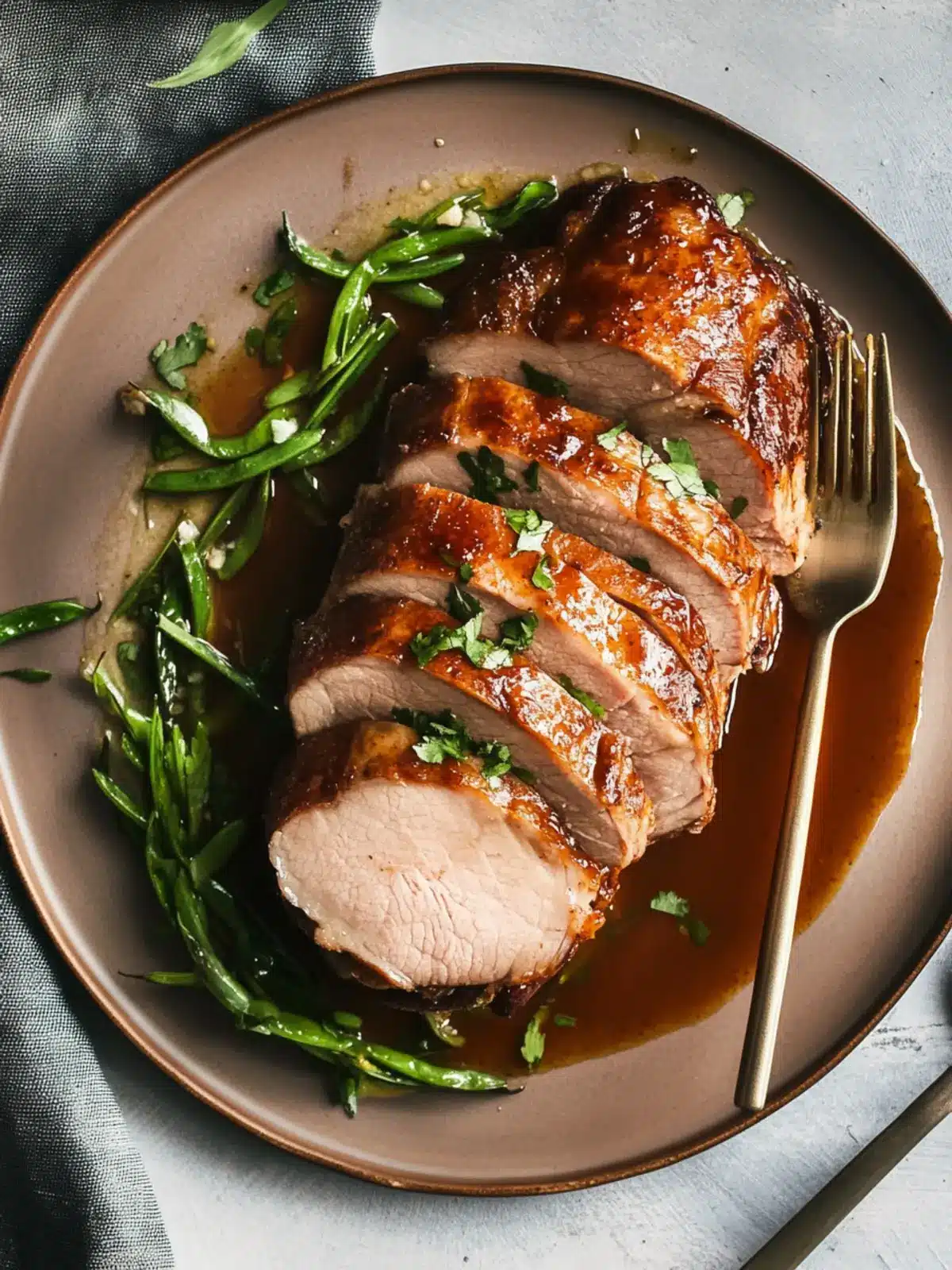
Miso Gochujang Braised Pork Roast Recipe FAQs
How do I select the right pork cut for this recipe?
Absolutely! For a Miso Gochujang Braised Pork Roast, I recommend using well-marbled cuts like pork butt or pork shoulder. These cuts provide the tenderness and juicy texture you’ll love after braising. Look for good fat coverage and avoid cuts that appear overly lean.
How should I store the leftovers after making this dish?
Very simple! Store leftover Miso Gochujang Braised Pork Roast in an airtight container in the fridge for up to 3 days. This will help maintain the pork’s moistness and delicious flavor. If you need to keep it longer, consider freezing it!
Can I freeze Miso Gochujang Braised Pork Roast? If so, how?
Absolutely! To freeze, ensure the pork is cooled completely, then slice it. Place the slices in an airtight container or freezer bag, ensuring you remove excess air. It can be frozen for up to 3 months. When you’re ready to enjoy it, simply thaw it in the fridge overnight, and you’ll be ready to reheat!
What is the best way to reheat the pork leftovers?
To reheat your Miso Gochujang Braised Pork Roast, gently warm it on the stovetop over low heat or in the microwave. If you’re using the stovetop, add a splash of chicken broth to keep it juicy while you heat it through, which usually takes 5-7 minutes. This method helps it stay tender.
Are there any dietary considerations I should be aware of for this dish?
Absolutely! This dish contains gluten from soy sauce and potential allergens like miso paste and gochujang. If you’re cooking for someone with allergies, consider using gluten-free soy sauce or alternatives. Additionally, for those with dietary restrictions related to spice, reduce the amount of gochujang based on personal preference. Always a good idea to check ingredient labels!
What if my pork isn’t cooking evenly?
Don’t worry, this can happen! Ensure you’re braising the pork in enough liquid—halfway up the sides is ideal. If it’s still not cooking evenly, you can check the temperature in multiple areas with a meat thermometer. If it seems to be undercooked, you may need to increase the simmering time or adjust the liquid levels. Don’t hesitate to cover it back up to trap the heat!
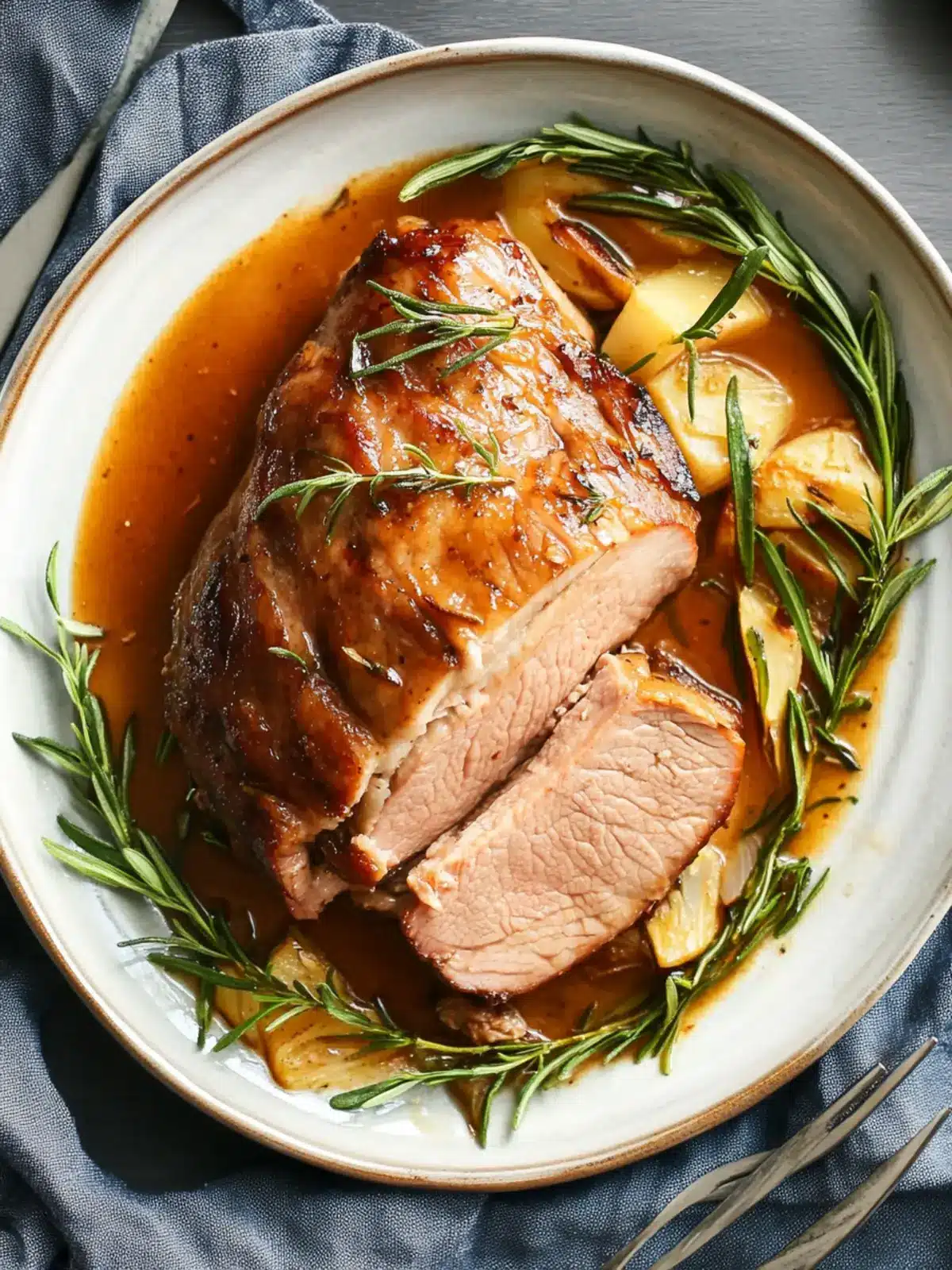
Miso Gochujang Braised Pork Roast with Refreshing Scallion Salad
Ingredients
Equipment
Method
- Preheat the oven to 325°F (160°C). Generously season the pork with salt.
- Heat a large, heavy-bottom Dutch oven over medium-high heat. Add a splash of oil and bronze the pork on all sides for about 8 minutes.
- Add the leeks and smashed garlic to the pot, sprinkling with black pepper. Sauté for about 2 minutes.
- Stir in the miso paste and gochujang, cooking for 1 minute. Then, deglaze with sake.
- Mix in honey and soy sauce, then return that glorious pork roast to the pot.
- Braise in the oven until the meat thermometer reads 160°F (70°C) to 175°F (80°C), about 2 hours.
- Transfer the pork to a cutting board, tenting it with foil for 15 to 20 minutes to rest.
- Blend the sauce with an immersion blender until smooth, adjusting the seasoning as needed.
- Prepare the scallion salad by shredding scallions and soaking them in ice water for 15 minutes.
- Mix rice vinegar, soy sauce, honey or sugar, sesame oil, and gochugaru in a bowl. Add the shredded scallions and toss.
- Slice the pork roast into ½” to ¾” thick pieces. Serve it drizzled with the sauce and topped with scallion salad.