
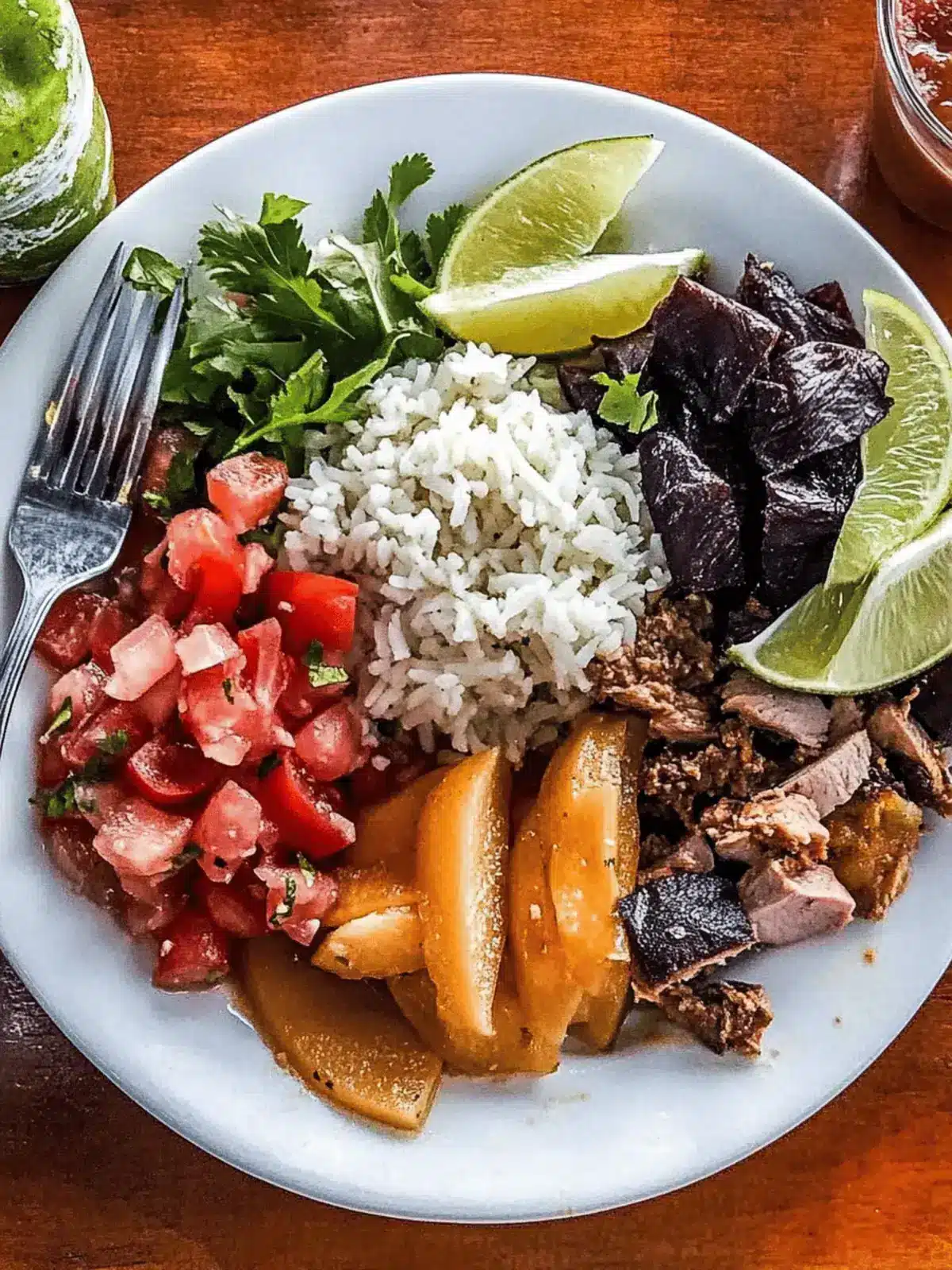
Costa Rican Casado is the kind of plate that makes a simple lunch feel complete. It brings together fluffy white rice, seasoned black beans, savory protein, sautéed vegetables, fried plantains, fresh salad, queso fresco, and bright sauces in one colorful meal. In Costa Rica, a casado is loved because it is balanced, filling, and flexible enough for different tastes. Meat lovers can enjoy beef in red sauce, while vegetarian and vegan cooks can swap in tofu, tempeh, mushrooms, or extra vegetables without losing the spirit of the dish.
This Costa Rican Casado homemade version keeps the flavors traditional while making the process easy for a weeknight meal. With a prep time of about 15 minutes and a total time of about 60 minutes, you can serve four satisfying plates that feel fresh, comforting, and restaurant-worthy.
What Makes This Recipe Special
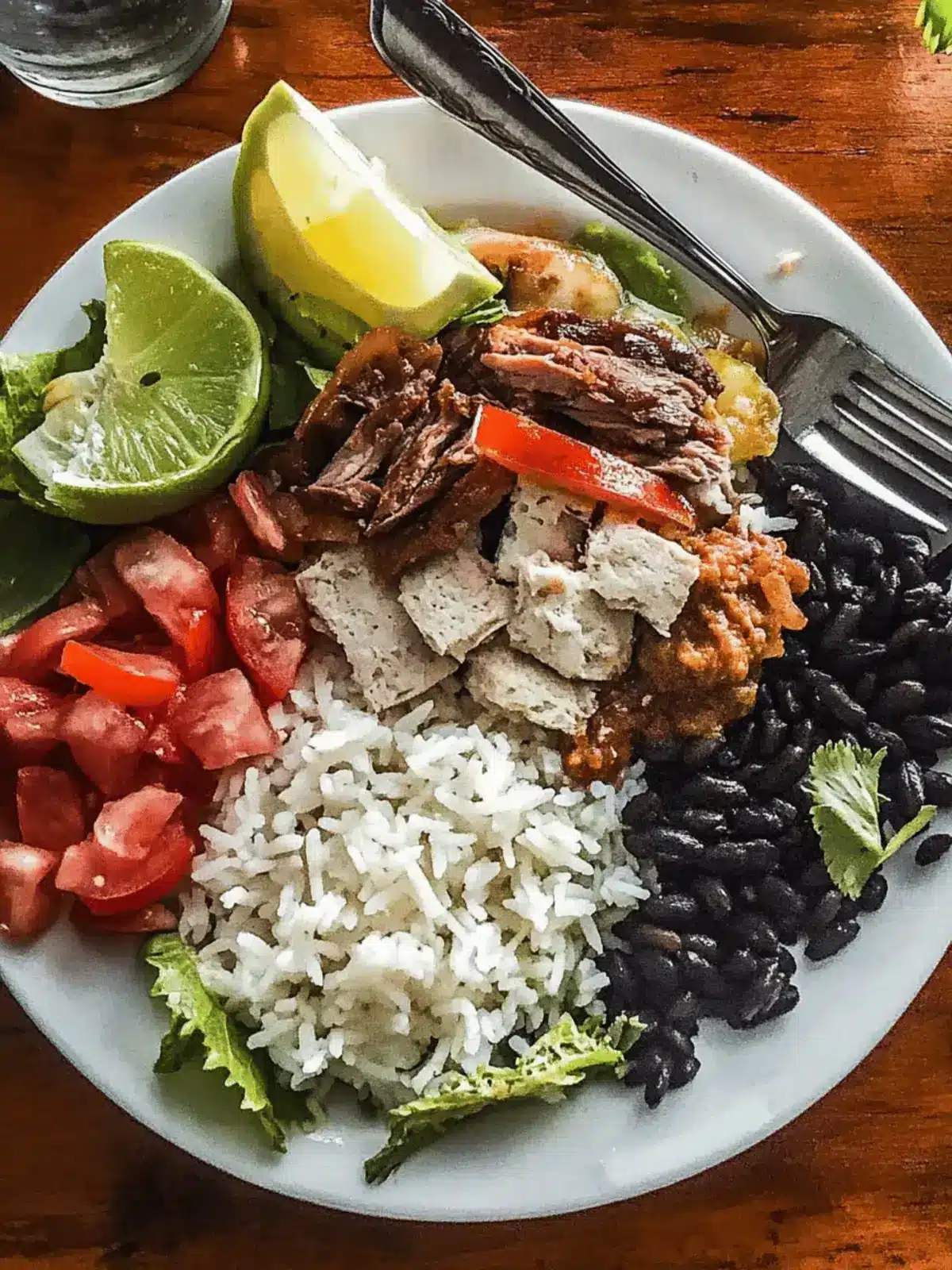
Costa Rican Casado stands out because every part of the plate has a purpose. Rice gives the meal a soft, neutral base. Beans add protein, fiber, and earthy flavor. The beef in red sauce brings depth and richness. Chayote and seasonal vegetables add freshness, while ripe plantains create a sweet contrast. A fried egg, queso fresco, chimichurri, and Salsa Lizano finish the plate with creaminess, brightness, and a true Costa Rican touch.
Costa Rican Casado is also one of the easiest traditional dishes to adapt. You can make it lighter by omitting plantains, higher in fiber by using brown rice, vegetarian by replacing the beef, or vegan by skipping the egg and cheese. That flexibility makes this recipe ideal for family lunches, meal prep, and casual dinners.
Costa Rican Casado Ingredients
For the Rice
- 2 cups Costa Rican white rice
- 4 cups water
- Salt, to taste
Brown rice may be used for extra fiber, though it will need a longer cooking time.
For the Beans
- 1 can Costa Rican black beans, rinsed
- Salt, to taste
Red beans are a good alternative when black beans are not available.
For the Protein
- 1 pound Costa Rican beef in red sauce
Chicken, fish, tofu, tempeh, mushrooms, or another plant-based protein can be used instead.
For the Vegetables
- 2 chayotes, chopped
- Seasonal vegetables such as carrots, bell peppers, zucchini, or green beans
- 2 tablespoons olive oil
- Salt and pepper, to taste
For the Sides
- 2 ripe plantains, sliced
- 2 eggs
- 100 grams queso fresco
Use non-dairy cheese or omit the cheese for a vegan version.
For the Salad
- 2 cups shredded lettuce
- 1 cup grated carrot
- Fresh lime juice, to taste
For Serving
- 1 cup chimichurri sauce
- Salsa Lizano, to taste
How to Make Costa Rican Casado
1. Cook the rice
Rinse the white rice under cold water until the water runs mostly clear. Add the rice, water, and a pinch of salt to a pot. Bring to a boil, then reduce the heat, cover, and simmer for about 20 minutes, or until the rice is fluffy and the liquid is absorbed. Keep it covered while you prepare the rest of the meal.
2. Warm the beans
Rinse the black beans and place them in a small saucepan over medium heat. Add a pinch of salt and simmer for about 10 minutes. If the beans look dry, add a splash of water or broth to keep them soft and saucy.
3. Sauté the vegetables
Heat olive oil in a skillet over medium heat. Add chopped chayote and your chosen seasonal vegetables. Season with salt and pepper, then cook for 5 to 7 minutes, stirring often, until tender but still bright. This vegetable mixture adds color and freshness to the final plate.
4. Prepare the protein
Heat the beef in red sauce in a saucepan and cook until tender and fully cooked, about 15 to 20 minutes. For a vegetarian or vegan plate, season tofu, tempeh, mushrooms, or beans with similar red sauce spices and sauté until flavorful. This step gives Costa Rican Casado its hearty center.
5. Fry the plantains
Slice ripe plantains and fry them in a skillet over medium heat until golden brown and crisp on both sides, about 3 to 4 minutes per side. Transfer them to a paper towel-lined plate. The plantains should be sweet, lightly crisp, and soft in the middle.
6. Fry the eggs
In the same skillet, fry the eggs sunny-side up until the whites are set and the yolks are still slightly runny, about 3 minutes. Skip this step for a vegan plate.
7. Make the salad
Toss shredded lettuce and grated carrot with fresh lime juice. This quick salad balances the richer ingredients and adds crunch to the meal.
8. Assemble the plate
On each plate, add a scoop of rice, a portion of beans, sautéed vegetables, and beef or plant-based protein. Add fried plantains, a fried egg, and queso fresco. Finish with chimichurri and serve Salsa Lizano on the side. A proper Costa Rican Casado should look abundant, colorful, and inviting.
Expert Tips for Best Results
Use fresh vegetables whenever possible. Chayote is traditional, but carrots, bell peppers, zucchini, and green beans work beautifully when they are in season.
Do not rush the rice. Rinsing removes excess starch and helps the grains cook up fluffy instead of sticky.
Season each component. Since the dish is built from separate parts, rice, beans, vegetables, and protein should all taste good before they reach the plate.
Choose ripe plantains. Yellow plantains with dark spots are best because they fry sweet and tender. Green plantains will taste starchier and less sweet.
Serve the sauces generously. Chimichurri adds herbs and acidity, while Salsa Lizano gives Costa Rican Casado its signature tangy depth.
Easy Variations
For a vegetarian version, replace the beef with sautéed mushrooms, tofu, tempeh, or extra black beans. Add more vegetables to make the plate hearty and satisfying.
For a vegan version, skip the egg and queso fresco. Use plant-based cheese or avocado for creaminess, and make sure your sauces are vegan-friendly.
For a lighter version, use brown rice, reduce the fried plantains, and add extra salad. You can also grill the plantains instead of frying them.
For a spicy version, stir chopped jalapeños, chili flakes, or hot sauce into the beans or red sauce.
For a tropical twist, cook the rice with a little coconut milk. The gentle sweetness pairs well with beans, plantains, and herb sauces.
What to Serve With It
Costa Rican Casado is already a complete meal, but a few simple additions can make it even more memorable. Tamarindo juice adds a sweet-tart drink pairing. Fresh mango salsa brings brightness and fruitiness. Crispy fried yuca adds crunch, while guacamole gives the plate a creamy finish. For dessert, flan is a classic choice because its smooth caramel sweetness follows the savory meal beautifully.
Make-Ahead and Storage Tips
You can cook the rice and beans up to 3 days ahead and store them in separate airtight containers in the refrigerator. The vegetables can be sautéed up to 2 days ahead, then reheated in a skillet before serving. For the best texture, fry plantains and eggs just before assembling the plate.
Store leftovers in the refrigerator for up to 3 days. Keep components separate when possible so the rice stays fluffy, the salad stays crisp, and the plantains do not become soggy. Rice and beans can also be frozen in individual portions for up to 3 months. Thaw overnight in the refrigerator and reheat gently with a splash of water.
Frequently Asked Questions
What is included in a traditional Costa Rican Casado?
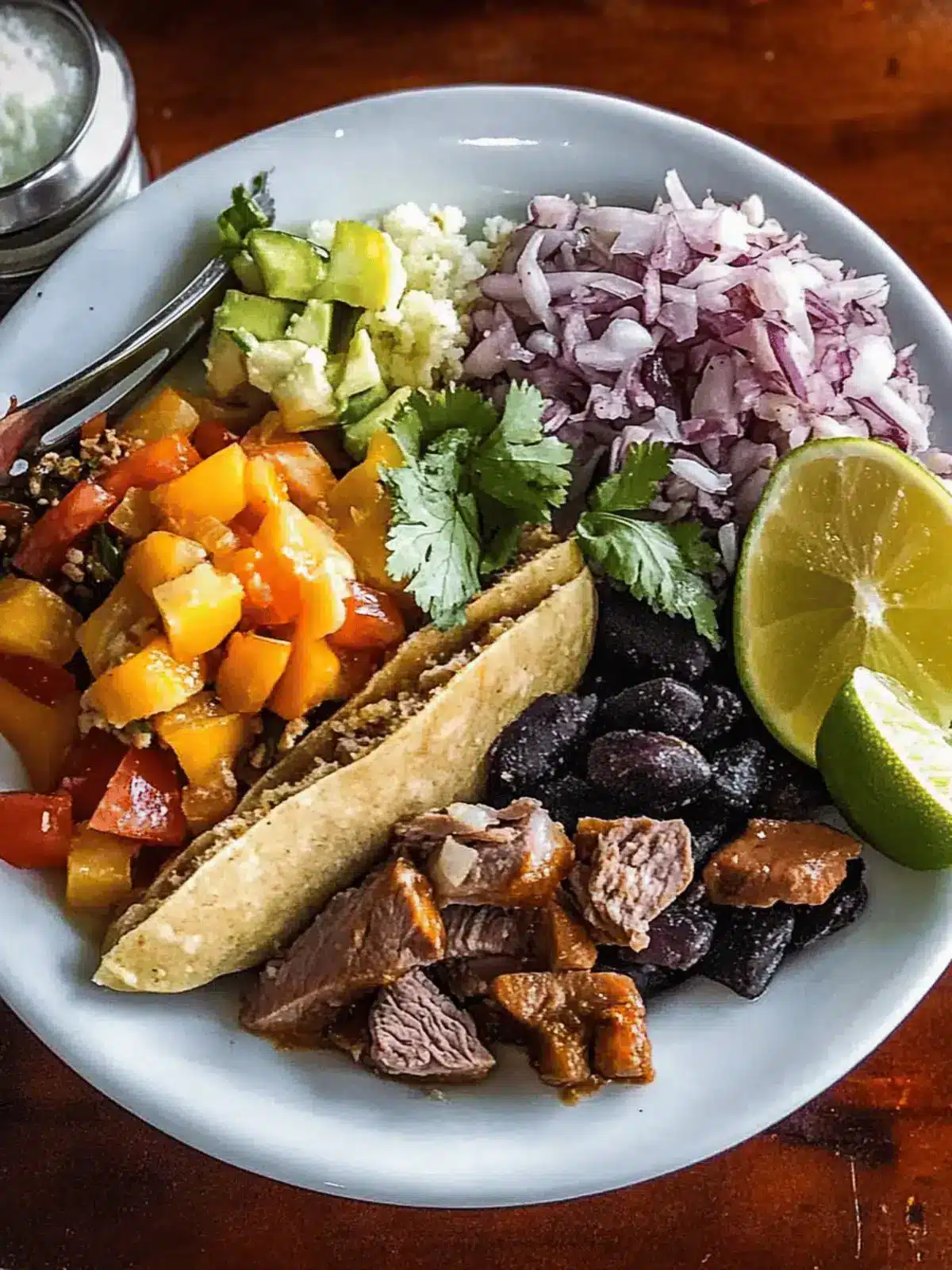
A traditional Costa Rican Casado usually includes rice, beans, a protein, salad, vegetables, plantains, and a sauce or condiment. Some versions include a fried egg and fresh cheese.
Can I make this Costa Rican Casado recipe vegetarian?
Yes. Replace the beef with tofu, tempeh, mushrooms, extra beans, or grilled vegetables. Costa Rican Casado will still be balanced and flavorful.
Is Costa Rican Casado good for meal prep?
Yes. Rice, beans, vegetables, and protein can be prepared ahead and stored separately. Add fresh salad, plantains, sauces, and egg when ready to serve.
What does Salsa Lizano taste like?
Salsa Lizano is tangy, slightly sweet, savory, and mildly spiced. It adds a classic Costa Rican flavor that ties the Costa Rican Casado plate together.
Final Thoughts
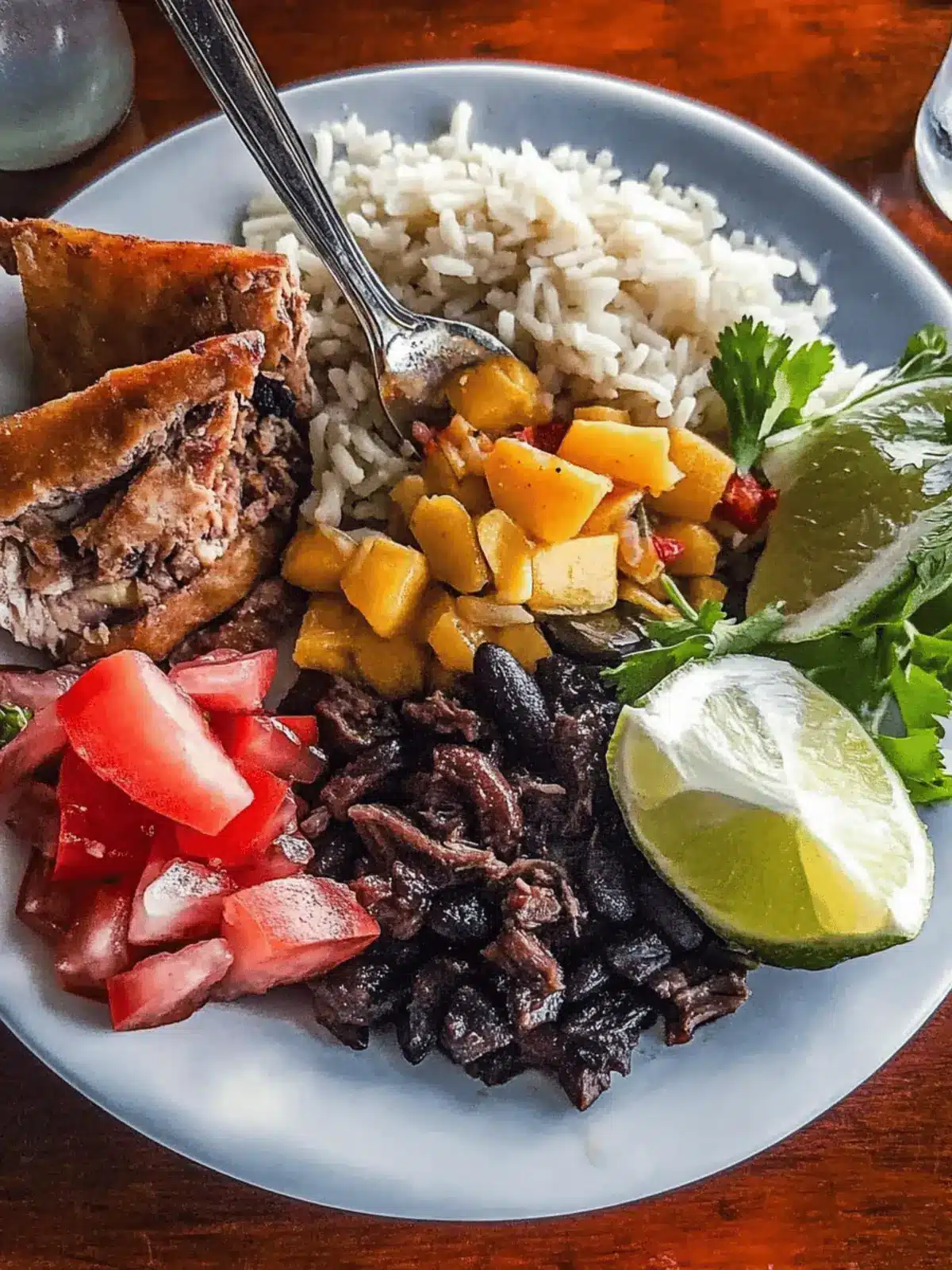
Costa Rican Casado is more than this Costa Rican Casado recipe. It is a generous, balanced plate that celebrates comfort, freshness, and everyday Costa Rican cooking. With rice, beans, vegetables, protein, plantains, salad, and bold sauces, every bite offers a different texture and flavor. Serve Costa Rican Casado for lunch or dinner when you want a wholesome meal that feels colorful, flexible, and deeply satisfying.
Authentic Costa Rican Casado Recipe for a Wholesome Lunch
Ingredients
Equipment
Method
- Rinse the rice under cold water until clear. Combine rice with 4 cups of water in a pot, bring to boil, cover, and simmer for 20 minutes until fluffy.
- Rinse the black beans and heat in a small saucepan with a pinch of salt for about 10 minutes.
- Heat olive oil in a skillet, add chopped chayotes and seasonal vegetables, and sauté for 5-7 minutes until tender.
- Heat beef in red sauce spices until cooked through and tender, about 15-20 minutes. Use tofu or tempeh for a plant-based option.
- Slice plantains and fry in a skillet until golden brown and crispy, about 3-4 minutes on each side.
- Fry eggs sunny-side up in the same skillet until whites are set but yolks remain runny, about 3 minutes.
- Toss shredded lettuce and grated carrots with a squeeze of lime juice in a bowl.
- On a large plate, arrange rice, beans, sautéed vegetables, beef or veggie protein, fried plantains, fried egg, and fresh cheese, finishing with a drizzle of chimichurri and Salsa Lizano on the side.