
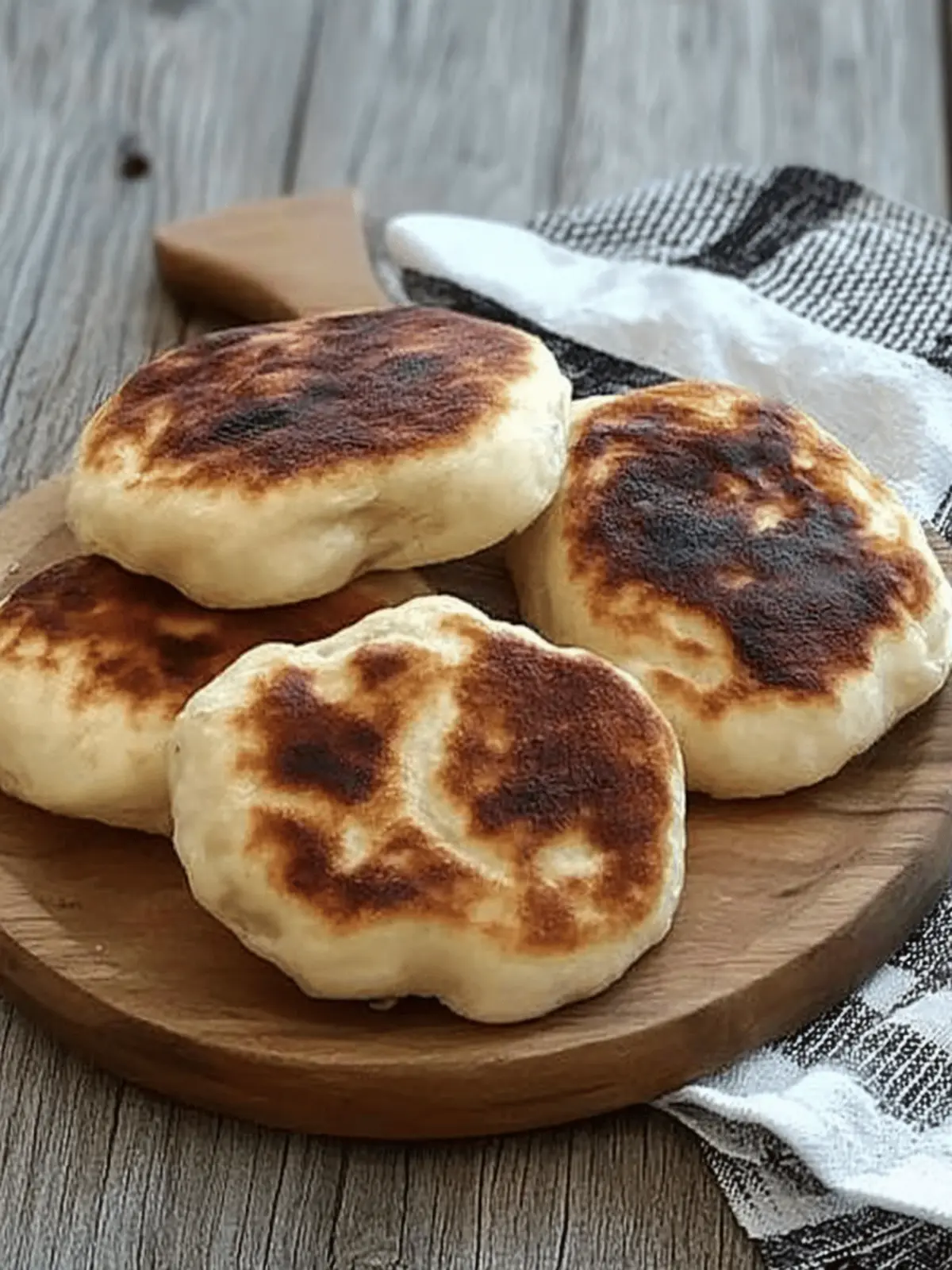
Warm, golden, and comforting, bannock is a simple bread that brings homemade flavor to the table with very little effort. Made with flour, baking powder, salt, and warm water, this traditional quick bread can be baked in the oven or fried on the stovetop. The result is soft in the center, lightly crisp on the outside, and perfect for serving with butter, soup, stew, honey, or jam.
This recipe is inspired by the comfort of family kitchens, community meals, and Indigenous food traditions. Every family may prepare bannock a little differently, which is part of what makes it so special. Some prefer it baked in a pan, while others love it fried into golden skillet rounds. This version gives you both methods, so you can choose the one that best fits your meal.
What Makes This Recipe Special
This recipe uses basic ingredients you probably already have in your kitchen. There is no yeast, no long rising time, and no complicated technique. It is quick enough for a weeknight meal but comforting enough for a weekend breakfast or family gathering.
The oven-baked version creates soft slices with a tender crumb, while the stovetop version gives you crisp edges and a rustic, golden finish. Whether you are new to making bannock or already grew up enjoying it, this recipe is simple, flexible, and satisfying.

Ingredients
For the Dough
- 4 cups all-purpose flour
- 2 tablespoons baking powder
- 1 teaspoon salt
- 1 1/2 to 2 cups warm water
For the Oven-Baked Version
- 1 cup lard or butter, added in small dollops
For the Stovetop Version
- Oil, as needed for frying
Ingredient Notes
All-purpose flour gives the bread structure and a soft texture. You can also use a cup-for-cup gluten-free flour blend if needed.
Baking powder helps the dough rise and gives it a fluffy center. For the best result, make sure your baking powder is fresh.
Salt adds flavor and balances the simple ingredients. Even a small amount makes a big difference.
Warm water brings the dough together. Start with less water and add more slowly until the dough feels soft but not too sticky.
Lard or butter adds richness to baked bannock. If you prefer a dairy-free version, use oil instead.
Oil is used for frying the stovetop version and helps create a golden crust.
How to Make Oven-Baked Bannock
Preheat your oven to 400°F. Grease a 9×13-inch baking pan or line it with parchment paper.
In a large mixing bowl, combine the flour, baking powder, and salt. Stir well so the baking powder is evenly distributed.
Create a well in the center of the dry ingredients. Add 1 1/2 cups of warm water and stir gently until a soft dough forms. Add the remaining water only as needed. The dough should be moist but still easy to spread.
Transfer the dough to the prepared pan and spread it evenly. Add small dollops of lard or butter over the top.
Bake for 20 to 25 minutes, or until golden-brown and cooked through. Let it cool slightly before slicing. This baked bannock is delicious served warm with butter, jam, honey, or alongside a hearty bowl of soup.

How to Make Stovetop Bannock
In a large bowl, mix together the flour, baking powder, and salt.
Gradually add warm water, stirring until the dough comes together. Turn it onto a lightly floured surface and knead gently about 10 times. Avoid overworking the dough, as this can make the bread dense.
Divide the dough into equal pieces and shape each one into a round patty about 1/2 inch thick.
Heat oil in a skillet over medium heat. Fry each piece for 3 to 4 minutes per side, or until golden-brown and cooked through.
Place the cooked pieces on a paper towel if needed, then serve warm. Stovetop bannock is especially good when you want crisp edges and a quick homemade bread without using the oven.
Helpful Cooking Tips
Do not over-knead the dough. Gentle mixing keeps the texture soft.
Add water slowly. Too much water can make the dough sticky and difficult to shape.
Use medium heat when frying. If the pan is too hot, the outside may brown before the inside is fully cooked.
Grease the baking pan well to prevent sticking.
Let the dough rest for a few minutes before shaping. This helps the flour absorb moisture and makes the dough easier to handle.
Serve bannock while warm for the best flavor and texture.
Easy Variations
For a savory version, add chopped herbs such as rosemary, thyme, parsley, or green onions.
For a cheesy version, mix shredded cheddar, mozzarella, or crumbled feta into the dough before baking or frying.
For a sweeter version, add a little sugar and cinnamon, then serve with honey or jam.
For a berry version, fold in blueberries or saskatoon berries for a soft, sweet bite.
For a spicy version, add a pinch of cayenne pepper or red pepper flakes.
For a gluten-free version, replace the all-purpose flour with a gluten-free baking blend and adjust the water as needed.
What to Serve With It
This bread pairs beautifully with both sweet and savory foods. Serve it with butter, honey, jam, maple syrup, or fruit preserves for a simple treat. For a heartier meal, pair bannock with beef stew, vegetable soup, chili, roasted chicken, grilled vegetables, or smoked fish.
It also works well for breakfast with eggs, sausage, berries, or tea. Because the flavor is mild and comforting, it fits easily into many meals.
How to Store
Store leftovers in an airtight container at room temperature for up to 2 days. For longer storage, refrigerate for up to 1 week, though the bread may become slightly drier.
To freeze, let the bread cool completely. Wrap pieces tightly and place them in a freezer-safe bag or container. Freeze for up to 3 months.
How to Reheat
Reheat baked pieces in a 350°F oven for about 10 minutes. For the stovetop version, warm each piece in a skillet for a few minutes per side.
Avoid overheating in the microwave, as it can make the texture chewy. A skillet or oven works best for bringing back the warm, tender center and lightly crisp outside.
Make-Ahead Tips
You can mix the dry ingredients up to 3 days in advance. Store the flour, baking powder, and salt in an airtight container at room temperature.
When ready to cook, add the warm water and continue with the recipe. Since this bread uses baking powder, it is best cooked soon after the wet ingredients are added.

Frequently Asked Questions
Can I make this without lard?
Yes. Butter, vegetable oil, or coconut oil can be used instead. For frying, use a neutral oil such as vegetable or canola oil.
Why did my dough turn out sticky?
The dough may have too much water. Add a little flour, one tablespoon at a time, until it becomes easier to handle.
Why is my bread tough?
The most common reason is over-kneading. Mix only until the dough comes together, then knead gently.
Can I freeze it?
Yes. Cool completely, wrap well, and freeze for up to 3 months. Reheat in the oven or skillet for the best texture.
Is this recipe sweet or savory?
This recipe is savory and simple, but you can easily make it sweeter with sugar, cinnamon, berries, honey, or jam.
Final Thoughts
Homemade bannock is simple, affordable, and full of comfort. With just a few pantry ingredients, you can make a soft oven-baked version or a crisp stovetop version in under an hour. Serve it warm, customize it with your favorite additions, and enjoy a traditional bread that brings heart and heritage to the table.
Easy Bannock Recipe: Stovetop and Oven-Baked Indigenous Bread
Ingredients
Equipment
Method
- In a large bowl, combine 4 cups of all-purpose flour, 2 tablespoons of baking powder, and 1 teaspoon of salt.
- Create a well in the dry mixture and add 1 ½ to 2 cups of warm water, stirring gently until combined into a soft dough.
- Spread the dough into a greased or parchment-lined 9x13-inch pan.
- Top with dollops of lard or butter.
- Preheat your oven to 400°F, then bake for 20-25 minutes, flipping halfway through.
- Bake until golden-brown and aromatic.
- Gradually add warm water to the dry ingredients until a ball forms; knead gently about 10 times on a floured surface.
- Shape into ½-inch thick round patties and fry in a well-oiled skillet for 3-4 minutes on each side.