
When the sun is shining and the temperatures rise, I can think of nothing more satisfying than a bowl of Vegan Tsukemen. This delightful twist on traditional ramen offers the best of both worlds: chewy noodles paired with a velvety, umami-packed broth that tempts you to dip and savor each bite. As I whisk together creamy blended cashews and fragrant miso, the aroma fills my kitchen with a warm embrace that’s simply irresistible.
What makes this dish shine even brighter is its versatility. Whether you crave an extra kick of heat or want to explore different toppings, this recipe encourages creativity, transforming each bowl into a personalized masterpiece. Plus, with hearty king oyster mushrooms lending that mouthwatering texture, you’ll leave even the most devoted meat lovers curious for more. Let’s dive in and create a summer dish that’s not just a meal but an experience!

Why is Vegan Tsukemen a Must-Try?
Deliciously Unique: This dish offers a fresh take on traditional ramen, presenting a creamy, umami-packed broth alongside chewy noodles.
Customizable Options: With easy modifications for spiciness and toppings, you can personalize each bowl to suit your cravings.
Wholesome Ingredients: Packed with plant protein from cashews and mushrooms, it’s a guilt-free delight that nourishes the body.
Perfect for Summer: A refreshing meal idea that’s light yet satisfying, making it ideal for warm weather.
Impressive Presentation: Serve it up as a beautiful centerpiece that will wow your family and friends at any gathering, ensuring everyone keeps coming back for more!
Take your taste buds on a flavorful journey this season—this recipe is perfect for those who love exploring plant-based options in their cooking repertoire!
Vegan Tsukemen Ingredients
For the Broth
• Raw Cashews (1 cup) – Soak overnight for a creamy broth that’s full of flavor.
• Cashew Butter (1/2 cup) – A convenient alternative to raw cashews for a smooth consistency.
• Peanut Oil (2 Tablespoons) – Ideal for sautéing aromatics, giving the broth a lovely depth.
• Garlic (8 cloves, minced) – Provides a fragrant base full of warmth.
• Ginger (1.5 Tablespoons, minced/grated) – Adds a zing that brightens the broth.
• Miso (2 Tablespoons, preferably white or yellow) – Introduces savory umami to the mix.
• Doubanjiang (1 teaspoon) – Adjust for spiciness; it adds a delightful kick to the broth.
• Sake (1/4 cup) or Water – Helps to deglaze the pot and enrich the flavor profile.
• Vegetable Stock (2 cups) – The foundation of your broth, layering in flavor.
• Dried Shiitake Mushroom (1) – Imparts extra umami as it simmers.
• Kombu (2×4 inches) – Enhances the broth’s richness with its seaweed essence.
For the Noodles and Toppings
• Ramen Noodles – Use fresh or frozen for chewy bites that hold the broth well.
• King Oyster Mushroom (1 large, shredded) – Roasted to bring out a meaty texture; a must-try!
• Menma (Japanese fermented bamboo shoots) – Traditional topping that adds texture and flavor.
• Baked Tofu – Adds protein and a delightful chewiness to your dish.
• Roasted Nori Seaweed (8 small strips) – Garnish that brings an authentic touch to your Vegan Tsukemen.
For Serving
• Toasted Sesame Oil – Drizzle for extra flavor and aroma in each bowl.
• Green Onion (1, finely chopped) – Freshness and crunch that brighten up your dish.
• Shichimi Togarashi (optional) – A spice blend that can elevate the flavor profile.
• Lime Wedges (optional) – A burst of brightness that enhances every bite.
Now that you have your ingredients ready, get excited to create a bowl of Vegan Tsukemen that you and your loved ones will savor this summer!
How to Make Vegan Tsukemen
-
Preheat the oven to 425°F (220°C) to prepare for the king oyster mushrooms. This ensures they’ll roast perfectly while you work on the rest of the dish!
-
Cook the ramen noodles in a pot of boiling water for 2-3 minutes, just until they are slightly tender. Rinse under cold water to stop the cooking process, and set aside to cool.
-
Prepare the king oyster mushrooms by carving slits into them, then shredding and seasoning. Bake in the preheated oven for 15-20 minutes until crispy and delicious.
-
Sauté the garlic and ginger in peanut oil in a saucepan over medium heat until fragrant, about 4-5 minutes. The aroma will be irresistible!
-
Add the miso and doubanjiang, mixing until you have an even paste. Allow it to cook slightly until it turns a little browned, about 3-4 minutes.
-
Stir in the soaked raw cashews or cashew butter, cooking until fragrant. If using whole cashews, allow about 4-5 minutes for this step to really bring out the flavors.
-
Deglaze the saucepan with sake, scraping up any flavorful bits stuck to the bottom. Then, gently stir in the vegetable stock.
-
Blend the mixture until smooth using a blender or an immersion blender, then return it to the saucepan. Simmer with the dried shiitake mushroom and kombu for at least 15 minutes to amplify the flavors.
-
Adjust the consistency of the broth if needed, and make sure to heat your serving bowls to keep everything warm.
-
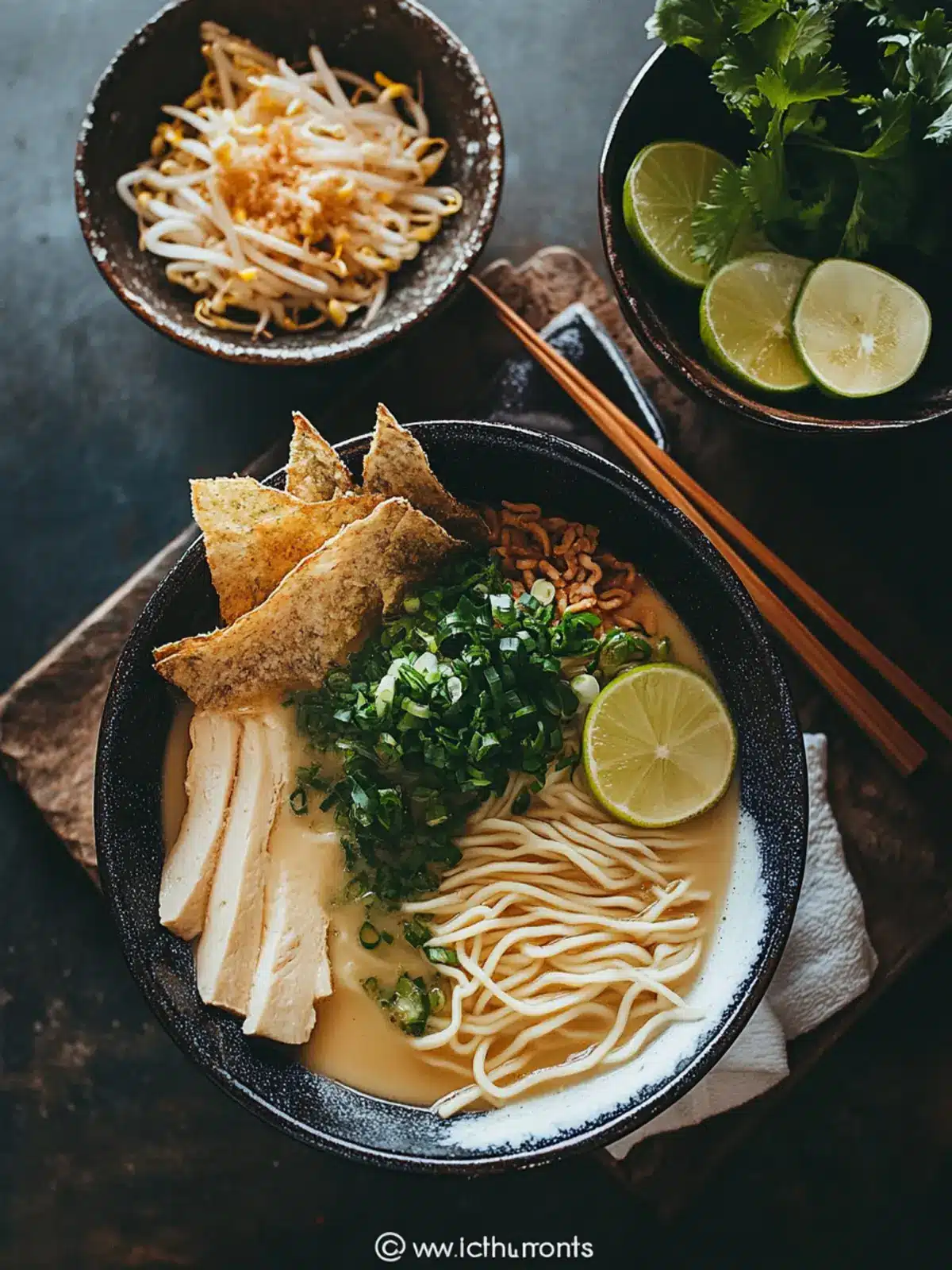
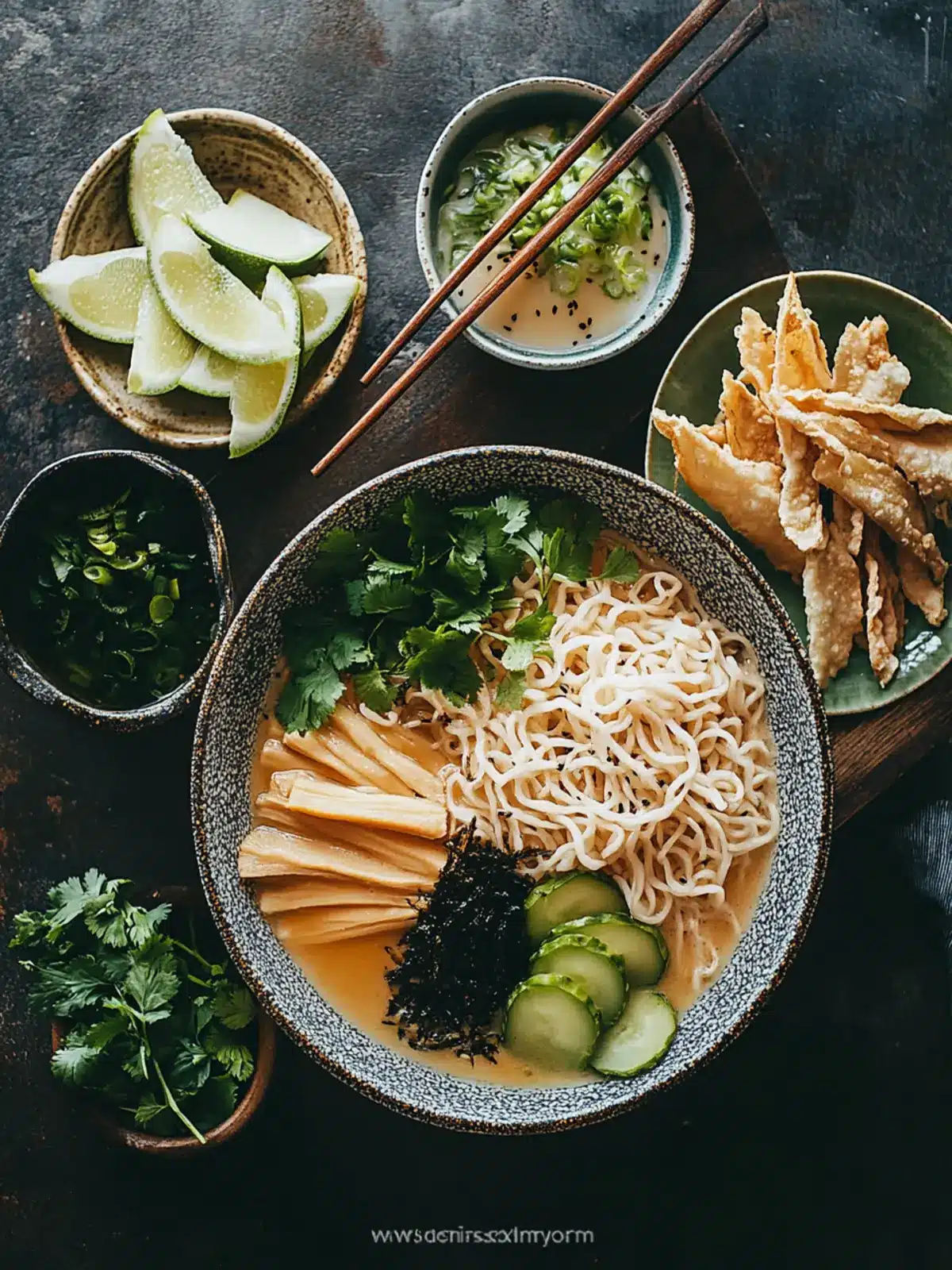
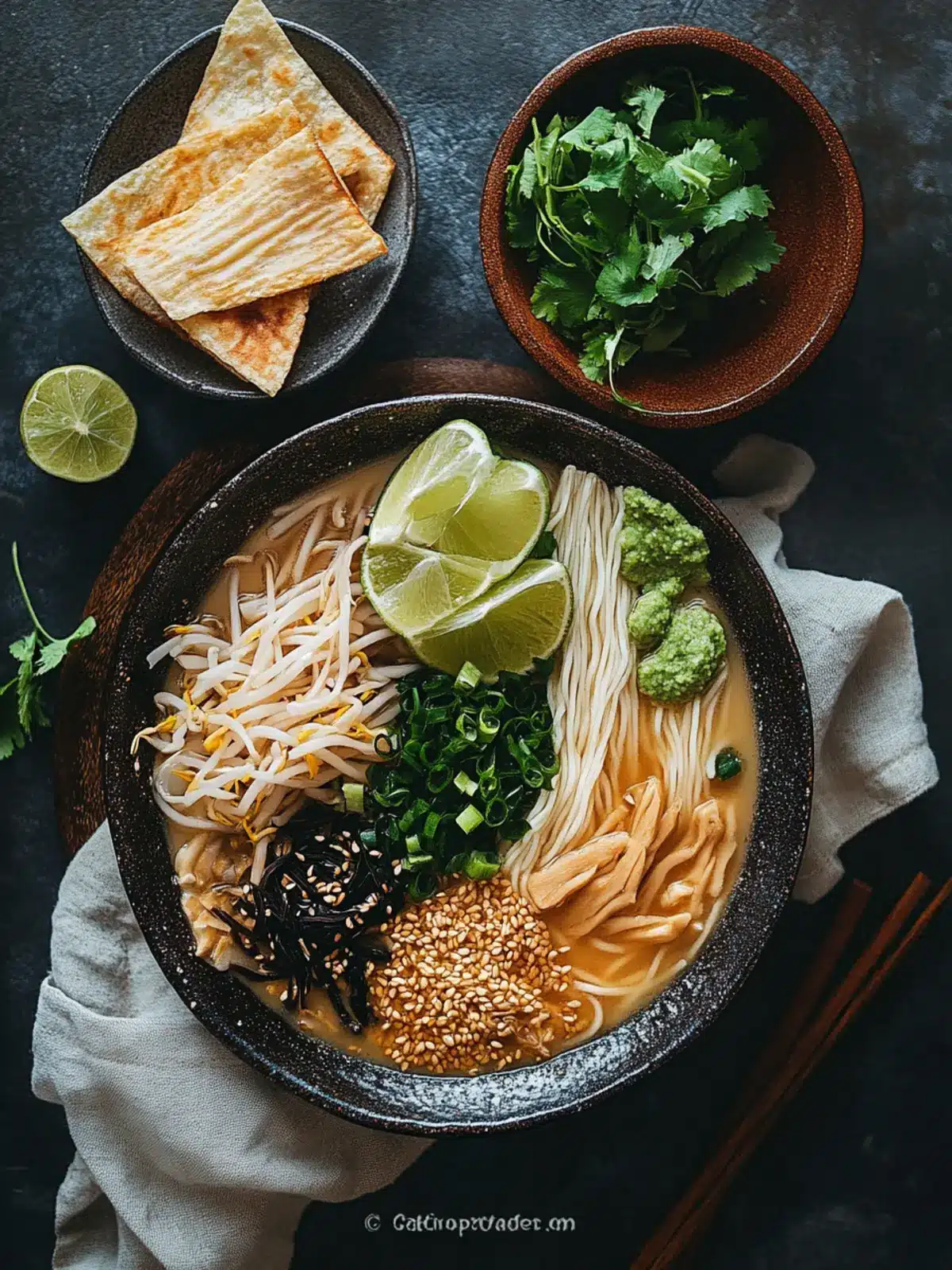
Assemble your bowls with the cooked noodles, roasted king oyster mushrooms, menma, baked tofu, nori, and ladle in your flavorful hot broth. Finish with a drizzle of sesame oil, sprinkle with green onions, lime wedges, and shichimi if desired.
Optional: Top with extra chili flakes for a spicier kick!
Exact quantities are listed in the recipe card below.
Make Ahead Options
These Vegan Tsukemen are perfect for meal prep enthusiasts looking to save time during busy weeknights! You can prepare the broth up to 3 days in advance; simply blend the ingredients and refrigerate it in an airtight container. To maintain the creamy texture, store the cashew-based broth separately from the toppings and noodles. The ramen noodles can also be cooked and cooled, then refrigerated overnight. When you’re ready to serve, gently reheat the broth on the stove while your noodles soak in hot water for a few minutes. Simply assemble your bowl with toppings and enjoy restaurant-quality Vegan Tsukemen at home with minimal effort!
How to Store and Freeze Vegan Tsukemen
Fridge: Store leftover broth and assembled Vegan Tsukemen in airtight containers for up to 3 days. Keep the noodles separate to maintain their texture.
Freezer: For longer storage, freeze the broth in portions for up to 2 months. Remember to allow it to cool completely before transferring to freezer-safe containers.
Reheating: Thaw frozen broth in the fridge overnight, then heat gently on the stove. Re-cook the noodles in boiling water for 1-2 minutes to enjoy that fresh taste again.
Assembly Tip: If preparing in advance, keep toppings like mushrooms and tofu separate until ready to serve for the best flavor and texture combination!
What to Serve with Vegan Tsukemen?
To elevate your Vegan Tsukemen experience, consider these delightful pairings that enhance flavors and textures perfectly.
-
Crispy Tempura Vegetables: Lightly battered and fried seasonal vegetables that add a satisfying crunch, contrasting beautifully with the creamy broth.
-
Japanese Pickles (Tsukemono): A variety of fermented vegetables that provide a burst of tangy flavor, refreshing the palate after each savory dip.
-
Chilled Edamame: Simple yet satisfying, these lightly salted soybeans make for a nutritious snack, complementing the umami of the tsukemen broth.
-
Refreshing Cucumber Salad: Tossed with sesame dressing, this salad introduces a cool, crisp element that balances the richness of the dipping ramen.
-
Sake or Green Tea: These beverages enhance the meal; warm sake heightens the experience while green tea offers a soothing finish to the meal.
-
Mochi Ice Cream: For dessert, this sweet treat filled with ice cream provides a light ending to your deliciously savory tsukemen, making it a memorable summer meal.
Expert Tips for Vegan Tsukemen
Soak Cashews: Make sure to soak raw cashews overnight for the best creamy texture in your broth. If in a pinch, use cashew butter for convenience.
Don’t Overcook Noodles: Cook ramen noodles just until tender, then rinse with cold water. This stops the cooking process, keeping them chewy and perfect.
Adjust Spice Levels: For a spicier broth, feel free to increase the doubanjiang up to 1 tablespoon based on your heat preference.
Monitor Broth Thickness: While simmering, keep an eye on the broth’s thickness. You can easily adjust it with additional vegetable stock or water if needed.
Experiment with Toppings: Be creative with your toppings for Vegan Tsukemen. From grilled veggies to a sprinkle of sesame seeds, make it uniquely yours!
Serve Hot and Fresh: Enjoy your tsukemen immediately after assembling. The contrast between hot broth and chilled noodles creates a delightful dining experience.
Vegan Tsukemen Variations
Embrace the joy of customization with these delightful twists that will make your Vegan Tsukemen truly your own!
-
Spicy Boost: Increase the doubanjiang up to 2 tablespoons for a fiery kick that dances on your palate.
Keep in mind, a little goes a long way, so adjust gradually to find your perfect level of heat. -
Different Mushrooms: Swap king oyster mushrooms for meaty shiitake or tender enoki mushrooms, adding variety to the dish’s texture.
Experimenting with different mushrooms can introduce new flavors and experiences. -
Creamy Coconut: Use coconut milk instead of vegetable stock for a tropical twist that adds a creamy richness to the broth.
This variation will take the dish to a whole new level of indulgence! -
Zesty Citrus: Add zest from a lemon or yuzu to the broth for a bright and refreshing flavor.
It’s like a burst of sunshine in every bite, complementing the creamy notes beautifully. -
Top with Greens: Toss in some baby bok choy or spinach for added nutrition and a pop of color in your bowl.
Greens not only enhance the presentation but also contribute to a wholesome experience. -
Noodle Options: Try using soba or udon noodles instead of traditional ramen for a different texture and flavor profile.
Each noodle brings its own unique character to the dish that’s worth exploring. -
More Toppings: Consider adding roasted corn or pickled ginger for a sweet or tangy contrast to the rich broth.
These additional toppings can transform your vegan tsukemen from simple to spectacular! -
Savory Miso Varieties: Use red or black miso instead of the standard white for a deeper, more robust flavor.
With miso varieties, you can create an entirely new flavor experience that changes the whole dish!
Vegan Tsukemen Recipe FAQs
What type of ramen noodles should I use for Vegan Tsukemen?
I recommend using fresh or frozen ramen noodles for the best texture. They hold onto the broth beautifully, providing that satisfying chewiness. If you can’t find fresh ones, dried ramen noodles will work as well—you just need to cook them according to the package instructions.
How should I store leftover Vegan Tsukemen?
Store leftover broth and assembled Vegan Tsukemen in airtight containers in the fridge for up to 3 days. To keep the noodles chewy, keep them separate from the broth. When you’re ready to enjoy them again, just reheat the broth on the stove and re-cook the noodles in boiling water for 1-2 minutes!
Can I freeze Vegan Tsukemen broth?
Absolutely! You can freeze the broth in portions for up to 2 months. Just make sure it cools completely before transferring to freezer-safe containers. When you’re ready to use it, thaw the broth in the fridge overnight, then gently heat it on the stove for a delicious meal!
What if my broth is too thick?
If your broth ends up too thick while simmering, don’t worry! You can easily adjust its consistency by adding a bit of vegetable stock or water. Start with a tablespoon at a time until you reach your desired thickness. Just keep stirring to combine the added liquid well.
Is Vegan Tsukemen suitable for picky eaters or those with dietary restrictions?
Yes! This dish is incredibly versatile and can be customized based on individual preferences. It’s vegan-friendly and can accommodate various dietary needs. If making it for someone with nut allergies, simply skip the cashews and try using blended silken tofu for creaminess instead. Additionally, you can swap in your favorite toppings to appeal to picky eaters.
How do I make Vegan Tsukemen spicier?
For an extra kick, increase the amount of doubanjiang in the broth to 1 tablespoon or add chili flakes to your assembled dish. Let everyone adjust the spice level to their liking with toppings such as shichimi togarashi for a flavorful punch!
Feel free to dive into your Vegan Tsukemen journey with these helpful tips!
Vegan Tsukemen: Delicious Dipping Ramen for Summer Bliss
Ingredients
Equipment
Method
- Preheat the oven to 425°F (220°C).
- Cook the ramen noodles in boiling water for 2-3 minutes, then rinse under cold water.
- Prepare the king oyster mushrooms by carving slits and baking for 15-20 minutes until crispy.
- Sauté the garlic and ginger in peanut oil for 4-5 minutes.
- Add miso and doubanjiang, mixing until you have an even paste and cook until browned, 3-4 minutes.
- Stir in the soaked cashews or cashew butter, cooking until fragrant.
- Deglaze the saucepan with sake and stir in the vegetable stock.
- Blend the mixture until smooth, then return it to the saucepan and simmer for at least 15 minutes.
- Adjust the broth's consistency and heat your serving bowls.
- Assemble bowls with cooked noodles, roasted mushrooms, menma, tofu, nori, and broth. Finish with toppings.