
When I first discovered the unique twist of spaghetti squash in a classic Pad Thai recipe, it felt like uncovering a secret treasure in my kitchen. The satisfying crunch of the squash, paired with the luscious sauce of tamarind and fish sauce, creates a dish that not only tantalizes the taste buds but also makes me feel wholesome and energized.
As someone who loves to veer away from heavy takeout and fast food, this Spaghetti Squash Pad Thai has become a go-to favorite. It combines vibrant flavors with simple cooking techniques, making it perfect for a weeknight dinner or impressing guests with a delightful homemade meal.
With tofu for protein and an array of fresh vegetables, this hearty version of Pad Thai is as versatile as it is satisfying. Whether you’re looking to shake up your dinner routine or simply want to indulge in a comforting dish, join me in whipping up this easy, crowd-pleasing recipe that celebrates homemade goodness with a healthy twist!

Why is Spaghetti Squash Pad Thai so special?
Unique twist: This recipe stars spaghetti squash for a lighter, gluten-free alternative to traditional noodles.
Flavor explosion: The tantalizing mix of tamarind, fish sauce, and fresh veggies delivers a robust taste that will have your taste buds dancing.
Easy preparation: With just a few steps, you’ll have a gourmet dish ready in no time—perfect for busy weeknights!
Crowd-pleaser: Impress family and friends with this inviting dish that caters to various dietary preferences, including vegetarian options.
Versatile: Feel free to customize with your favorite proteins or veggies, ensuring there’s something for everyone. Take a look at my tips for enhancing flavors to elevate this classic!
Spaghetti Squash Pad Thai Ingredients
Note: Gather these fresh ingredients for a delicious Spaghetti Squash Pad Thai that’s both hearty and healthy!
For the Sauce
- Tamarind paste – essential for that signature tangy flavor you crave in Pad Thai.
- Fish sauce – adds a depth of umami that enhances the overall taste.
- Palm sugar or brown sugar – brings the perfect hint of sweetness to balance the savory elements.
- Water – helps to thin out the sauce; adjust as needed for desired consistency.
For the Main Dish
- Spaghetti squash – a nutritious, gluten-free alternative to traditional noodles; you’ll love its texture!
- Peanut oil – provides a rich flavor and helps achieve a perfect stir-fry without burning.
- Extra-firm tofu – a fantastic plant-based protein; press it to remove excess moisture for better texture.
- Cornstarch – dusting the tofu helps create a crispy golden exterior when frying.
- Yellow onion – adds sweetness and aromatic depth as it cooks.
- Eggs – whisked into the dish, they offer a delightful creaminess and richness.
- Garlic – the fragrant base for infusing robust flavor into the dish.
For the Toppings
- Scallions – their fresh crunch balances the dish beautifully.
- Bean sprouts – add a satisfying crunch and freshness that’s delightful!
- Chopped peanuts – for garnish; they provide an irresistible crunch and nutty flavor.
- Lime wedges – a squeeze of lime enhances the dish and adds brightness.
- Cilantro – brings a burst of freshness and a pop of color.
- Red pepper flakes – spice it up according to your taste preference; the heat is totally customizable.
How to Make Spaghetti Squash Pad Thai
-
Whisk the Sauce: Combine tamarind paste, fish sauce, and palm sugar in a small bowl. Add 2 tablespoons of water to thin it out, then microwave on high for 30 seconds. Whisk until smooth.
-
Prepare the Spaghetti Squash: Slice the spaghetti squash in half, keeping one half for another use. Cook in the microwave for about 15 minutes or in the oven for 30 to 45 minutes, then shred the insides with a fork and set aside.
-
Coat the Tofu: Toss diced extra-firm tofu in cornstarch until evenly coated; this will help it crisp beautifully when cooked.
-
Stir-Fry the Tofu: Heat a wok or large skillet over high heat. Add 1 tablespoon of peanut oil and swirl to coat. Add the tofu and stir-fry for 2 to 3 minutes until golden brown. Transfer to a plate.
-
Cook the Onions: In the same pan, add another 1/2 tablespoon of peanut oil, then add the sliced onions. Cook for about 3 to 4 minutes until softened and golden. Transfer to the plate with the tofu.
-
Make the Omelet: Add 1/2 tablespoon of peanut oil and pour in the whisked eggs. Cook until set, nudging with a spatula to create curds. Transfer to the plate with tofu and onions.
-
Sauté the Garlic: Heat the last 1/2 tablespoon of peanut oil in the pan, add minced garlic, and fry for about 10 seconds until fragrant. Add the cooked spaghetti squash and stir to warm through, encouraging some golden color.
-
Incorporate the Sauce: Drizzle 2 tablespoons of the Pad Thai sauce around the edge of the pan, and stir it into the squash until completely coated. Adjust with extra sauce if you prefer.
-
Add the Vegetables and Tofu: Toss in scallions and bean sprouts, mixing well. Return the tofu, onions, and egg to the pan, stirring to combine. Taste and adjust seasoning with more sauce if desired.
-
Serve It Up: Transfer your delicious Pad Thai to a serving plate and finish with chopped peanuts, cilantro, red pepper flakes, and lime wedges. Serve warm and enjoy!
Optional: Squeeze extra lime juice over the dish for added brightness!
Exact quantities are listed in the recipe card below.
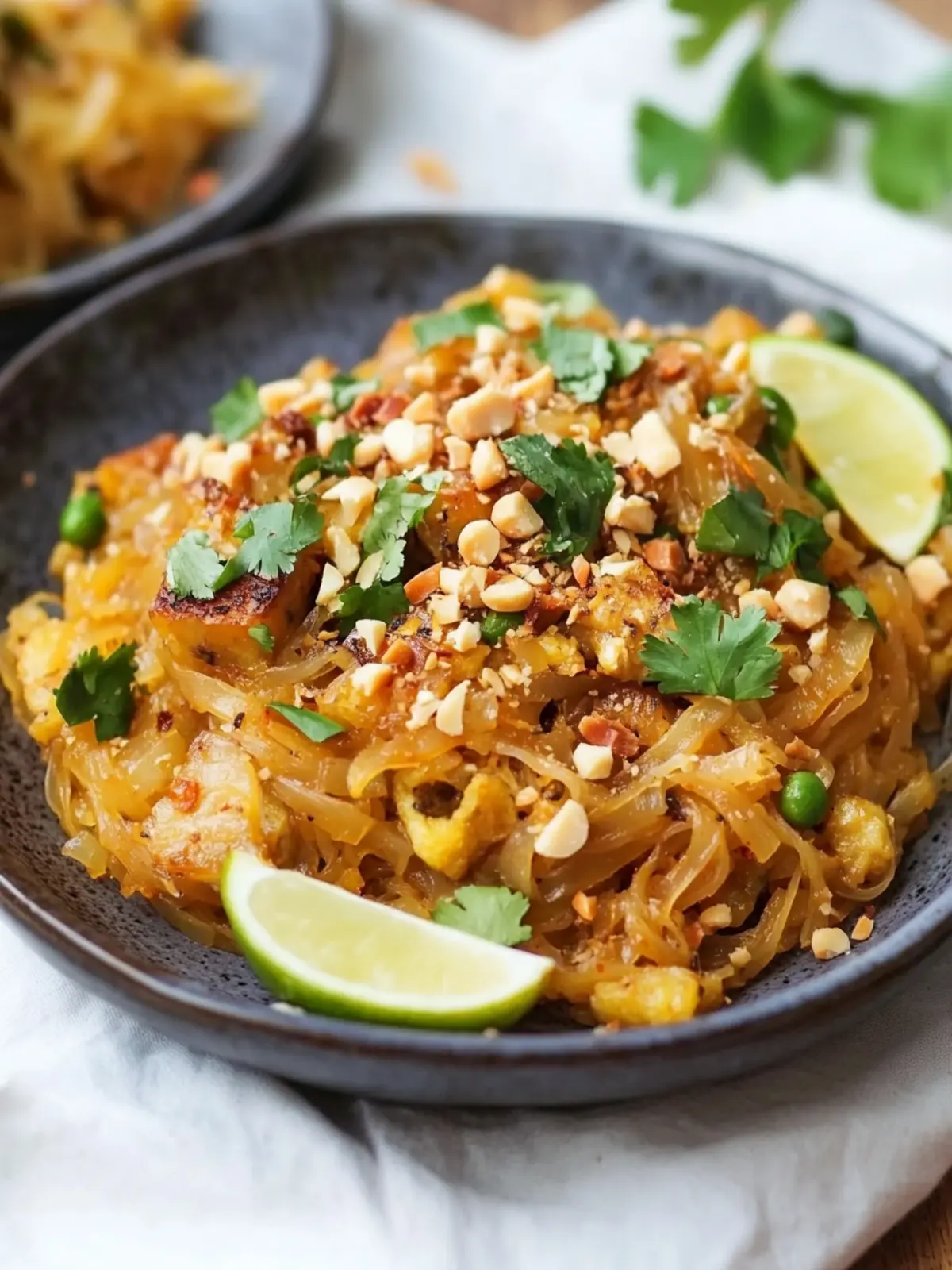
What to Serve with Spaghetti Squash Pad Thai?
Enhance your dinner experience with delightful pairings that balance flavors and textures!
-
Fresh Spring Rolls: These vibrant, crunchy rolls filled with shrimp or veggies offer a refreshing contrast to the rich flavors of Pad Thai. Enjoying them together creates a delightful mix of textures!
-
Coconut Rice: The creaminess of coconut rice beautifully complements the savory and tangy notes of the Pad Thai, creating a harmonious dish worth savoring.
-
Thai Iced Tea: This sweet and creamy beverage adds a lovely coolness that contrasts perfectly with the spices in the Pad Thai, making it a perfect refreshment.
-
Grilled Veggie Skewers: The charred flavor of grilled vegetables adds depth and smokiness that elevates your meal and boosts your intake of fresh produce.
-
Pickled Vegetables: A tangy side of pickled carrots or radishes brightens the whole plate, adding an intriguing crunch and zest that pairs wonderfully with the Pad Thai.
-
Sesame Edamame: These protein-packed beans provide a satisfying bite while their nutty flavor complements the Pad Thai’s nuttiness beautifully, making for a well-rounded meal.
-
Mango Salad: The sweetness and acidity of mango salad provide a refreshing contrast, enhancing the savory notes of your main dish while adding a tropical flair.
-
Lime Sorbet: For dessert, a light lime sorbet offers a refreshing end to the meal, cleansing the palate and echoing the citrus notes in the Pad Thai’s toppings.
Make Ahead Options
These Spaghetti Squash Pad Thai ingredients are perfect for meal prep enthusiasts! You can prep the sauce by whisking together tamarind paste, fish sauce, palm sugar, and water up to 24 hours in advance, storing it in an airtight container in the refrigerator. Additionally, you can cook the spaghetti squash and shred it ahead of time—just be sure to refrigerate it in a sealed container. As for the tofu, coat it in cornstarch and store it until you’re ready to stir-fry. When ready to serve, quickly heat the tofu, onions, and eggs in a skillet, add the spaghetti squash, and pour in your prepared sauce. You’ll have a delightful meal on the table with minimal effort!
Spaghetti Squash Pad Thai Variations
Feel free to get creative and customize your Spaghetti Squash Pad Thai to suit your preferences and dietary needs!
-
Vegan: Replace the eggs with a scrambled tofu or chickpea scramble for a plant-based twist.
Elevating flavors isn’t just for the sauce; a chickpea scramble can add a delightful nuttiness and protein boost to your dish. -
Gluten-Free: Use the tamari sauce instead of fish sauce for a gluten-free version without sacrificing flavor.
Tamari enhances the umami profile while letting the natural ingredients shine in your healthy Pad Thai. -
Extra Veggies: Add bell peppers, snap peas, or shredded carrots for a colorful and nutritious boost.
These vibrant vegetables pack in more crunch and color, raising the allure of your dish while contributing important nutrients. -
Spicy Kick: Incorporate chopped chili peppers or a splash of Sriracha for an exciting heat that ignites your taste buds.
Spiciness can transform classic flavors into an exhilarating experience, perfect for those with a love for bold tastes! -
Nut-Free: Substitute sunflower seed butter for the peanuts to keep the dish nut-free while maintaining that rich, creamy texture.
This swap offers a similar consistency, so you can still indulge in the creamy element without allergens. -
Herb Variations: Swap out the cilantro for fresh basil or mint to create a whole new flavor profile.
The herb choice can dramatically shift the dish’s essence, making it refreshing and uniquely yours! -
Sweet & Savory: Sprinkle in some diced pineapple or mango for a sweet twist that pairs beautifully with the savory sauce.
The juicy bursts of fruit can lighten the dish, perfect for summer evenings or adding a tropical vibe! -
Protein Boost: Add cooked shrimp or grilled chicken for an extra protein kick that satisfies hearty appetites.
Balancing flavors and textures with a protein option allows you to tailor your dish to your specific dinner needs.
Expert Tips for Spaghetti Squash Pad Thai
- Choose the Right Squash: Look for firm, heavy spaghetti squash with a uniform color. Avoid any soft spots to ensure the best texture in your Pad Thai.
- Press Your Tofu: Before coating it in cornstarch, press your extra-firm tofu for at least 20 minutes. This removes excess moisture and helps achieve a crispy finish.
- Be Quick with Garlic: Garlic can burn easily, so add it just before the squash and sauté for no longer than 10 seconds. This enhances flavor without bitterness.
- Adjust Sauce Consistency: If you find your sauce too thick, add extra water a tablespoon at a time until you reach your desired consistency for the Spaghetti Squash Pad Thai.
- Customize Veggies: Feel free to add or substitute with favorite vegetables like bell peppers or snap peas to personalize your dish and increase nutrition.
- Serve Immediately: For the best flavors and texture, serve your Pad Thai hot, right after cooking. It’s best enjoyed fresh!
How to Store and Freeze Spaghetti Squash Pad Thai
Fridge: Store any leftovers in an airtight container for up to 3 days. Reheat in a skillet over medium heat, adding a splash of water to keep it moist.
Freezer: You can freeze Spaghetti Squash Pad Thai for up to 3 months. Portion it into freezer-safe containers, ensuring it’s tightly sealed to prevent freezer burn.
Thawing: To enjoy frozen leftovers, thaw overnight in the fridge before reheating. Gently warm it in a skillet or microwave, adding a little water to refresh the texture.
Reheating: Heat leftovers gently on the stovetop over medium-low, stirring occasionally until heated through to keep the flavors vibrant.
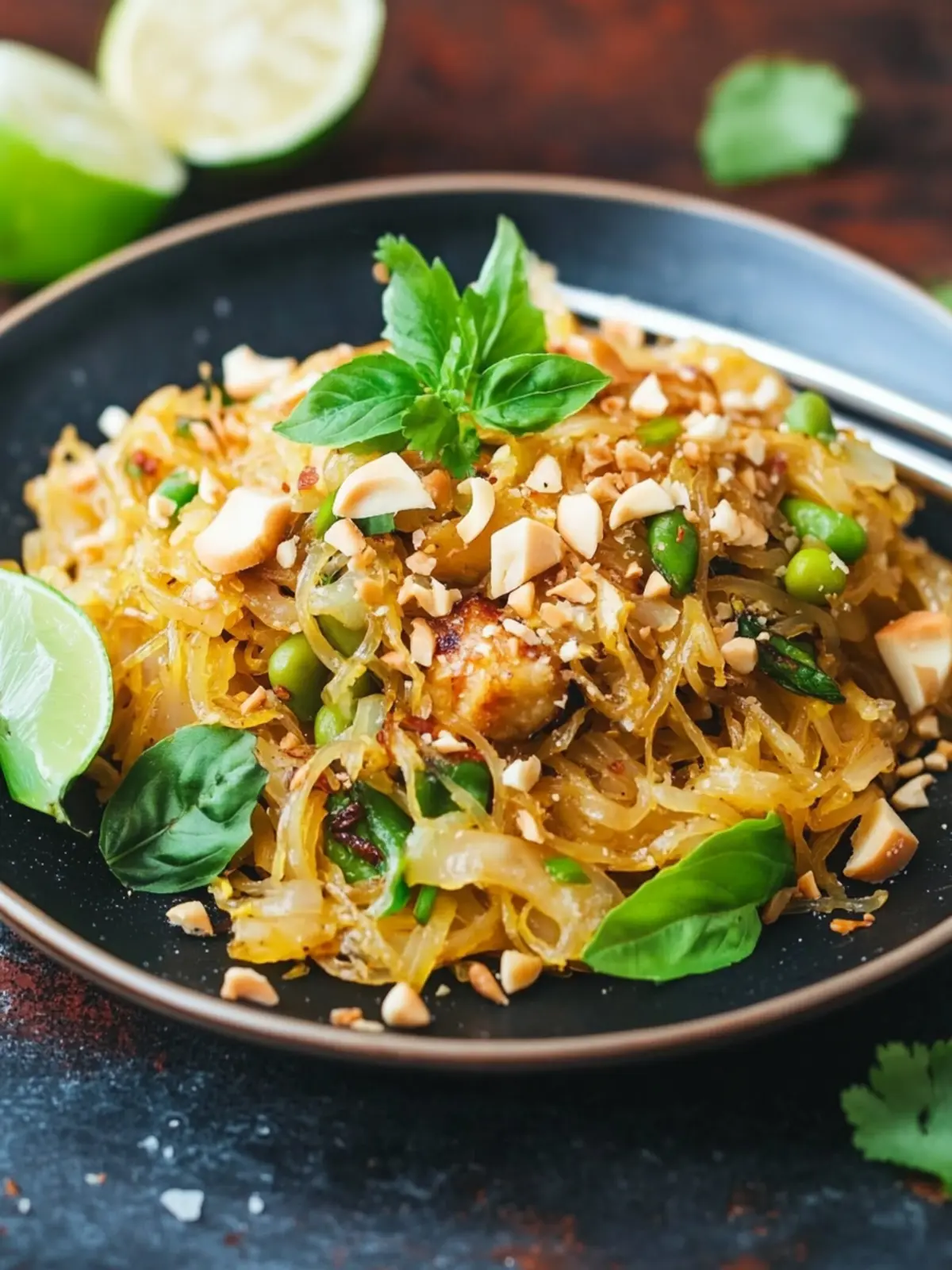
Spaghetti Squash Pad Thai Recipe FAQs
What kind of spaghetti squash should I choose?
Absolutely! When selecting spaghetti squash, look for one that is firm and heavy for its size. The skin should be a vibrant yellow color without any dark spots or blemishes. A good squash will have a smooth surface and feel substantial, indicating that it’s dense and fresh.
How do I store leftovers of Spaghetti Squash Pad Thai?
Very! To keep your Spaghetti Squash Pad Thai fresh, store any leftovers in an airtight container in the refrigerator for up to 3 days. When you’re ready to enjoy it again, simply reheat it in a skillet over medium heat. To prevent it from drying out, add a splash of water to maintain moisture as it warms.
Can I freeze Spaghetti Squash Pad Thai?
Of course! You can freeze Spaghetti Squash Pad Thai for up to 3 months. Portion it into freezer-safe containers to make reheating easy later on. Make sure to seal the containers tightly to prevent freezer burn. For best results when you’re ready to enjoy it, thaw the Pad Thai overnight in the fridge before reheating.
What if I don’t have tamarind paste?
No problem! If you’re out of tamarind paste, you can substitute it with a mixture of equal parts lime juice and brown sugar—about 2 tablespoons of each. While it won’t taste identical, this combination will still deliver a tangy-sweet flavor that complements the dish nicely.
Is this Pad Thai suitable for anyone with food allergies?
Definitely! This recipe can easily be adapted for various dietary needs. If you have allergies to peanuts or soy (found in tofu), feel free to substitute with other protein sources like chicken or shrimp, or even chickpeas for a vegetarian option. Just be mindful of cross-contamination, and always check ingredient labels if necessary!
How can I enhance the flavor of my Spaghetti Squash Pad Thai?
You can take the flavor to the next level by adding a pinch of sugar or a dash of soy sauce during cooking to adjust the overall taste. If you like a bit of heat, consider incorporating sliced chili peppers or a drizzle of Sriracha for an extra kick. And don’t forget to garnish generously with fresh cilantro and lime for a burst of freshness!
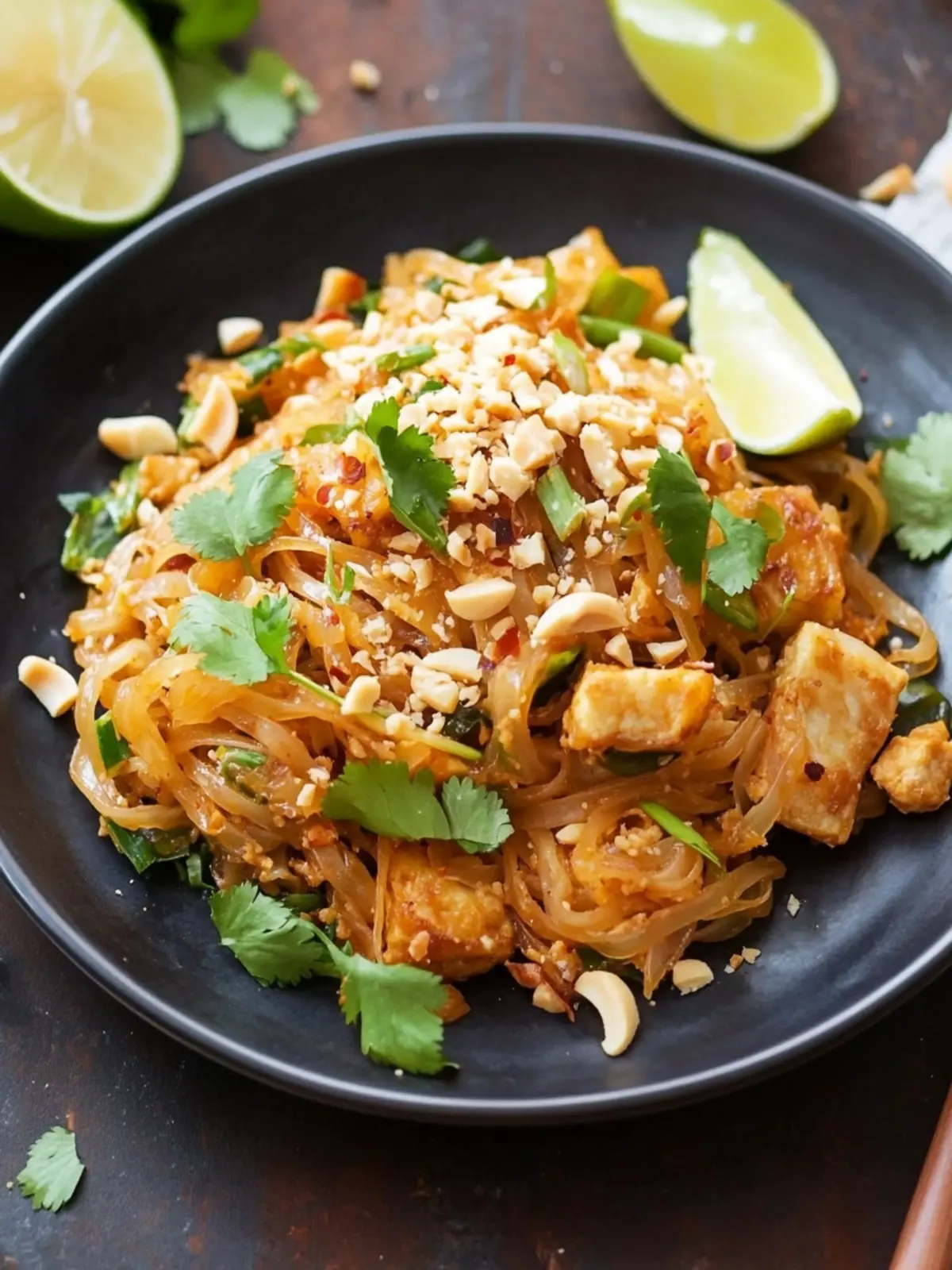
Spaghetti Squash Pad Thai: A Healthy Twist on a Classic!
Ingredients
Equipment
Method
- Combine tamarind paste, fish sauce, and palm sugar in a small bowl. Add 2 tablespoons of water to thin it out, then microwave on high for 30 seconds. Whisk until smooth.
- Slice the spaghetti squash in half, keeping one half for another use. Cook in the microwave for about 15 minutes or in the oven for 30 to 45 minutes, then shred the insides with a fork and set aside.
- Toss diced extra-firm tofu in cornstarch until evenly coated.
- Heat a wok or large skillet over high heat. Add 1 tablespoon of peanut oil and swirl to coat. Add the tofu and stir-fry for 2 to 3 minutes until golden brown. Transfer to a plate.
- In the same pan, add another 1/2 tablespoon of peanut oil, then add the sliced onions. Cook for about 3 to 4 minutes until softened and golden. Transfer to the plate with the tofu.
- Add 1/2 tablespoon of peanut oil and pour in the whisked eggs. Cook until set, nudging with a spatula to create curds. Transfer to the plate with tofu and onions.
- Heat the last 1/2 tablespoon of peanut oil in the pan, add minced garlic, and fry for about 10 seconds until fragrant. Add the cooked spaghetti squash and stir to warm through.
- Drizzle 2 tablespoons of the Pad Thai sauce around the edge of the pan, and stir it into the squash until completely coated.
- Toss in scallions and bean sprouts, then return the tofu, onions, and egg to the pan, stirring to combine.
- Transfer your delicious Pad Thai to a serving plate and finish with chopped peanuts, cilantro, red pepper flakes, and lime wedges. Serve warm and enjoy!